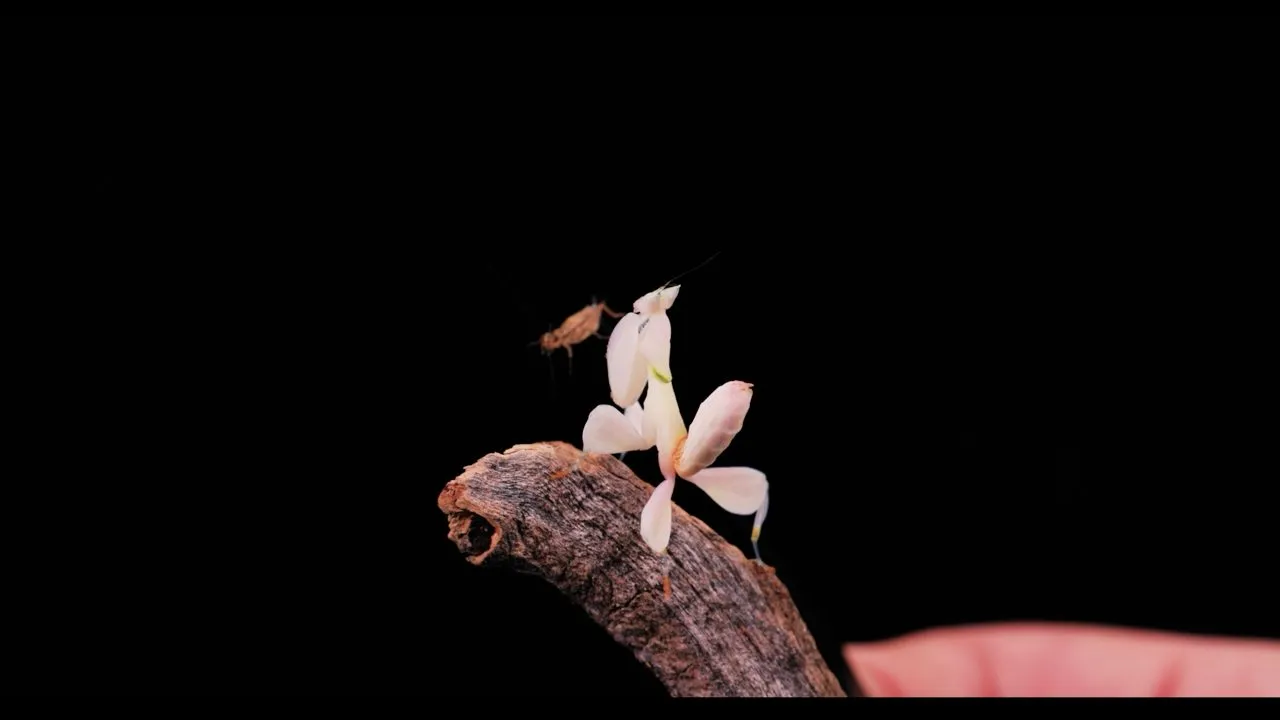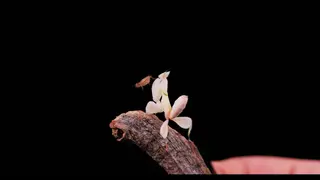


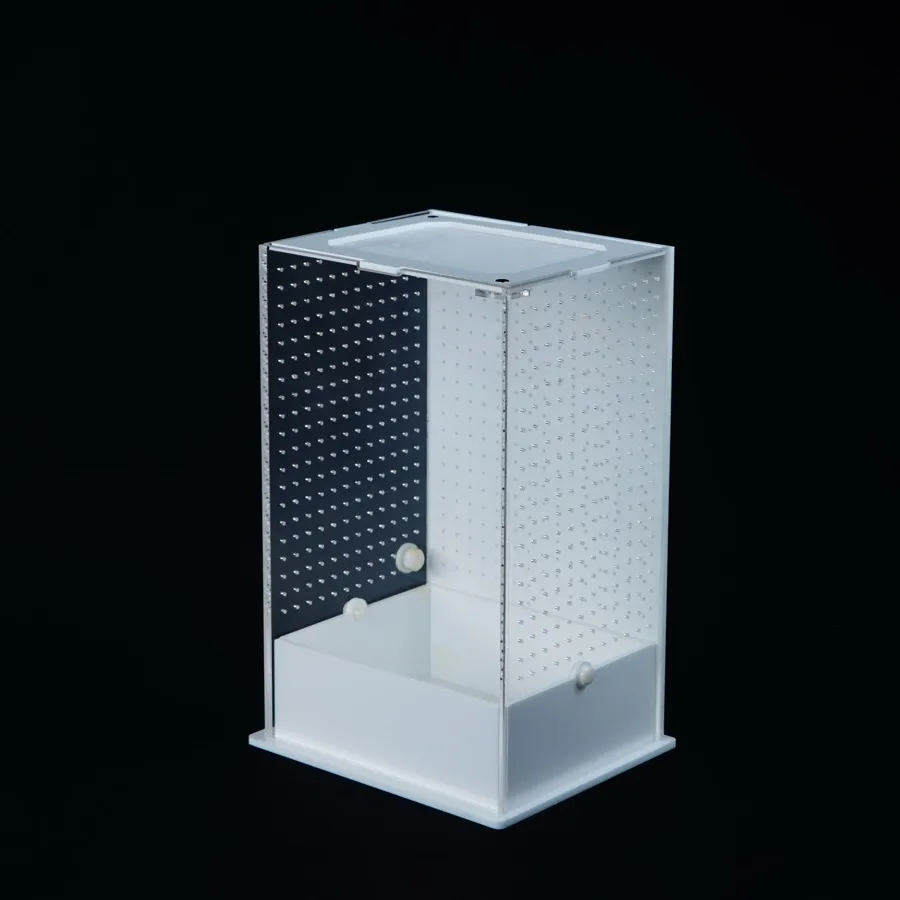
Purpose-built enclosures for mantis keeping. Each unit is ventilated for airflow, tall enough for safe molting, and easy to open for feeding and misting. Most enclosure problems beginners run into (failed molts, stagnant air, escaped nymphs) come down to using the wrong container. These are sized and built to avoid all three.
Why Enclosure Choice Matters
A mantis enclosure has to do three things well, and a repurposed jar or critter keeper usually fails at least one of them:
- Height for molting. A mantis molts by hanging upside down and letting gravity pull it free of its old skin. The enclosure needs at least 2.5× the mantis’s body length in total height (3× if you can), with 2× clear drop below the perch. Too short, and the molt fails, the single most common cause of death in captive mantises.
- Cross-ventilation. Stagnant, overly humid air breeds mold and bacteria. Ventilation on two sides lets air move through instead of sitting still.
- Safe access. You’ll open the enclosure daily to feed and mist. A lid that’s easy for you but secure against a climbing nymph keeps feeding stress-free.
Our enclosures are built around those three requirements so you don’t have to engineer them yourself.
Two Sizes
Both are clear acrylic with a fine-mesh top, cross-ventilated perforated walls, and a front drop-door: the same build, sized for where your mantis is in its life.
| Size | Dimensions (W × D × H) | Best for |
|---|---|---|
| Medium | 10 × 8.5 × 15 cm · 3.9 × 3.3 × 5.9 in | L3–L6 nymphs |
| Large | 12 × 10 × 20 cm · 4.7 × 3.9 × 7.9 in | sub-adults and adults of Ghost, Spiny Flower, Orchid and African Twig |
The mesh top doubles as a molting anchor and vents humidity, the front drop-door makes feeding and misting easy without reaching down through a lid, and the perforated walls give cross-ventilation on every side. Pick Medium for L3–L6; move up to Large once they’re sub-adult. The Large (20 cm tall) is the adult enclosure for Ghost, Spiny Flower, Orchid and African Twig; Dead Leaf and Double Shield adults (8–9 cm, with wide pronotums) need 25–30 cm of height (8×8×12 in or bigger).
What Else You’ll Want
An enclosure is the foundation; two accessories complete a basic setup:
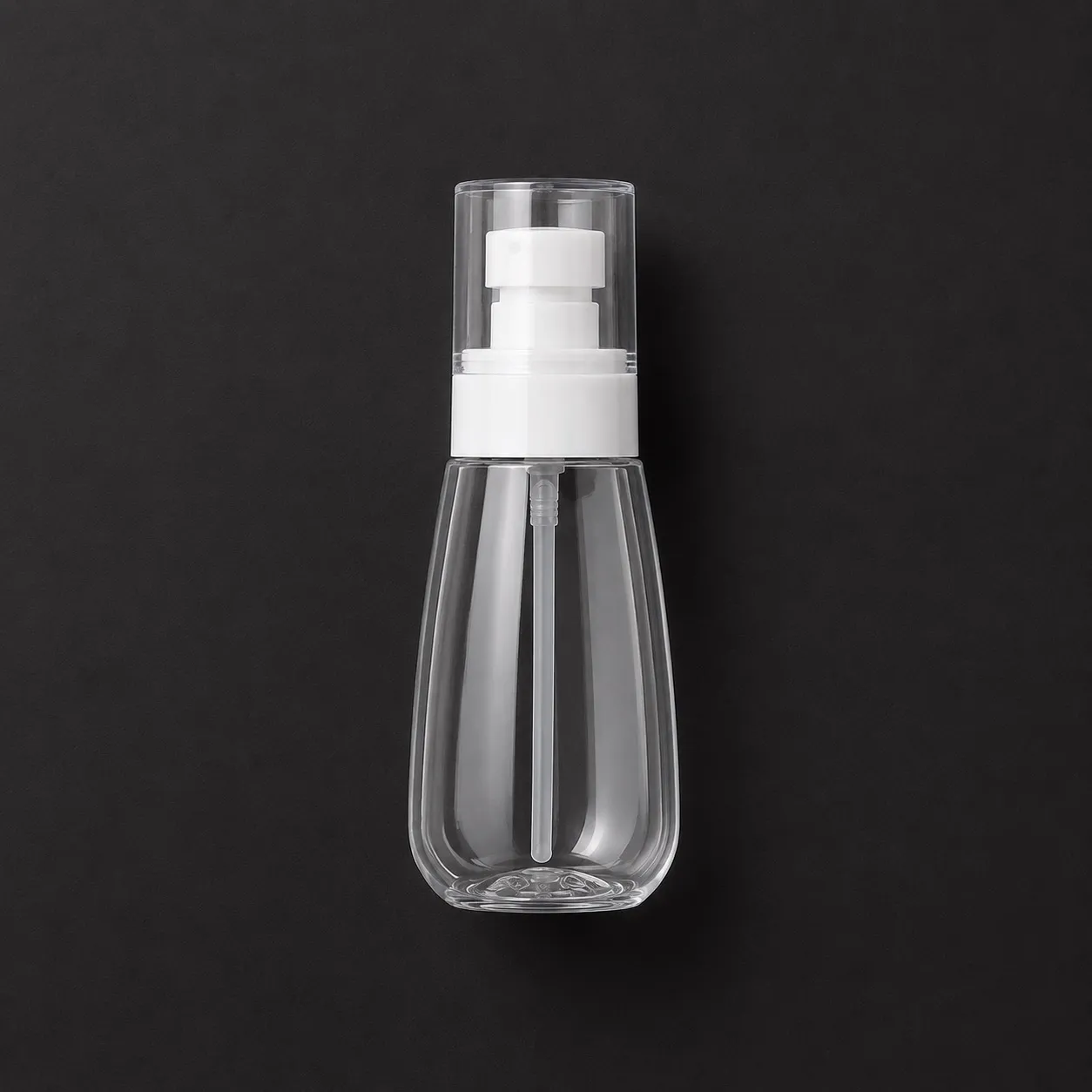
- A misting bottle with a fine nozzle for hydration and humidity on your species’ schedule.
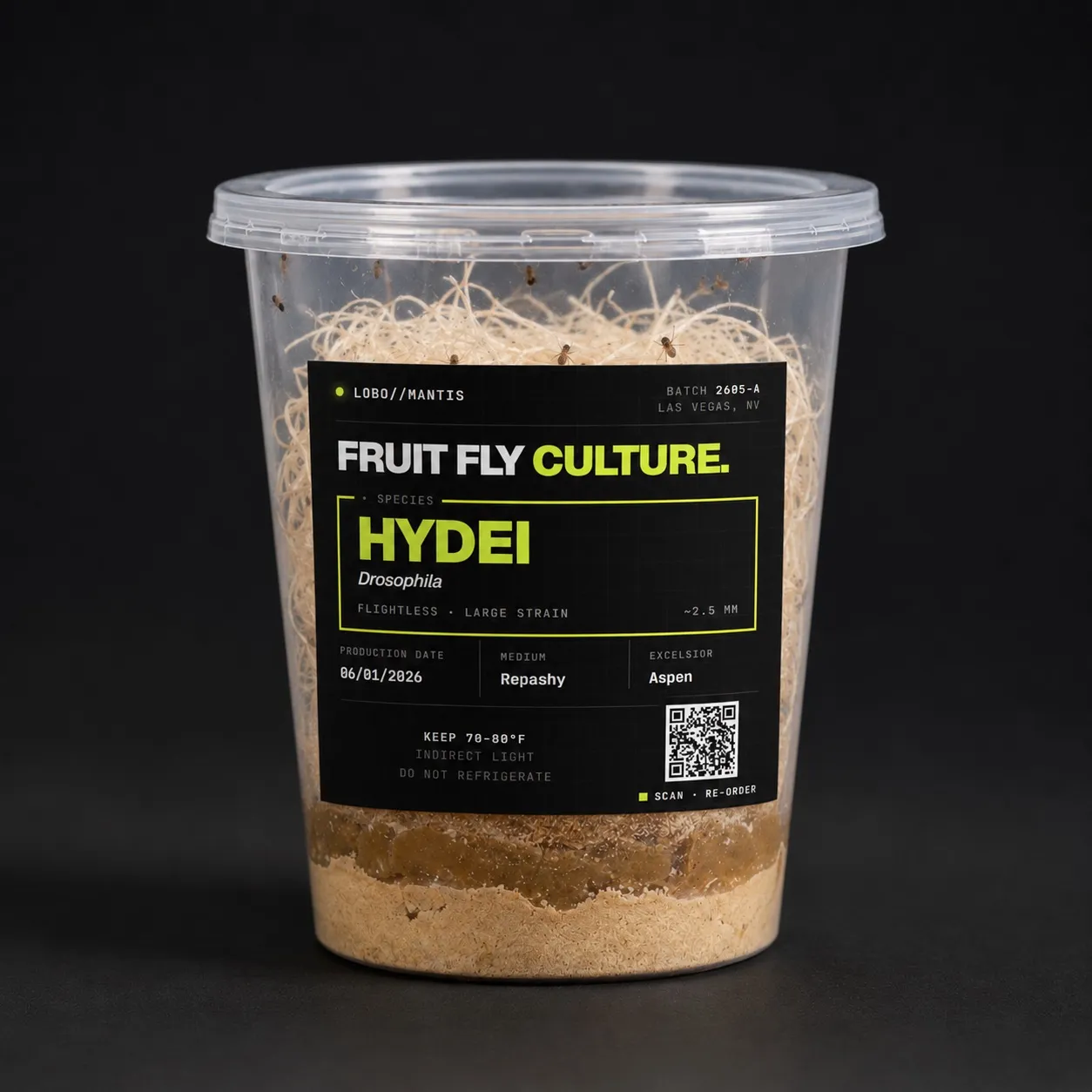
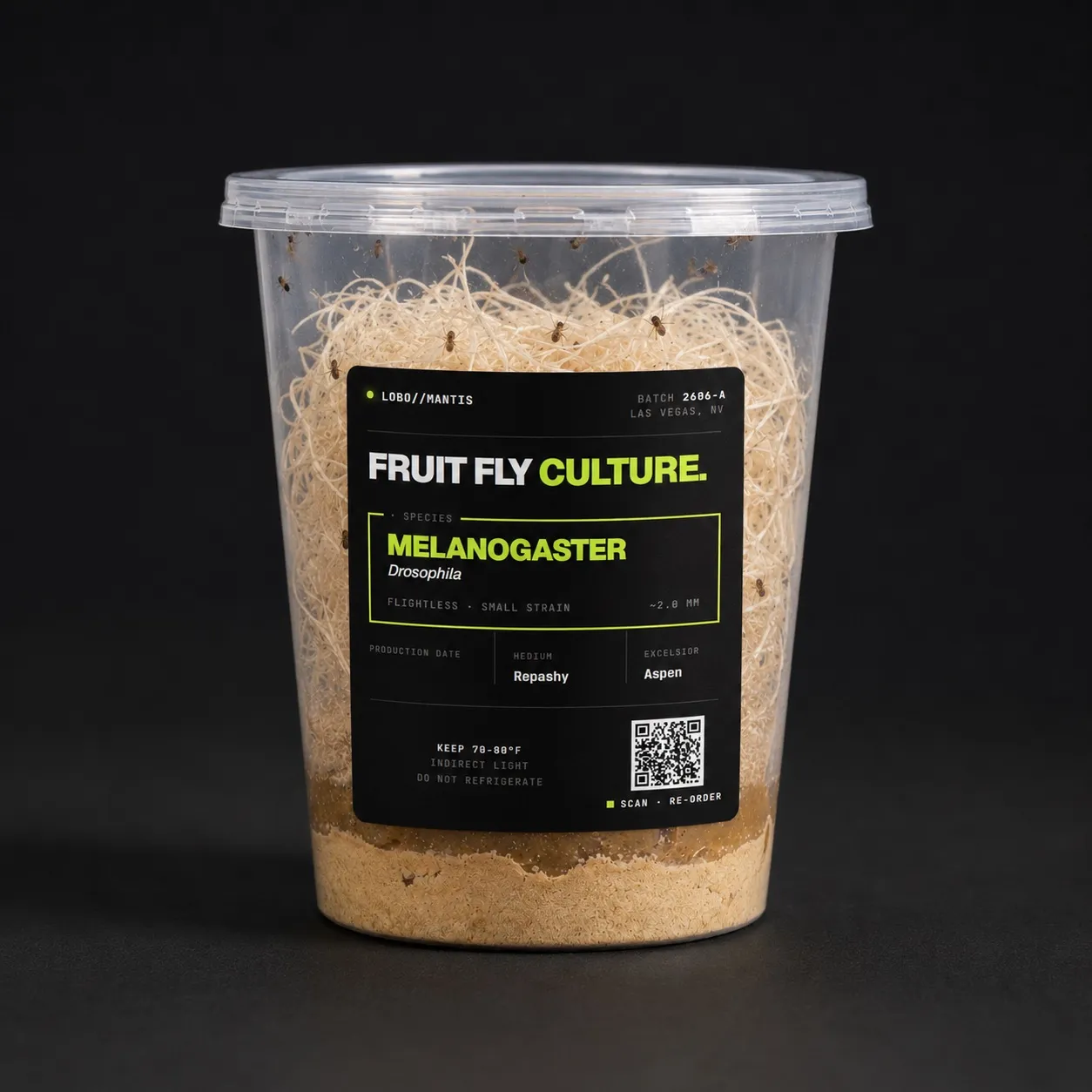
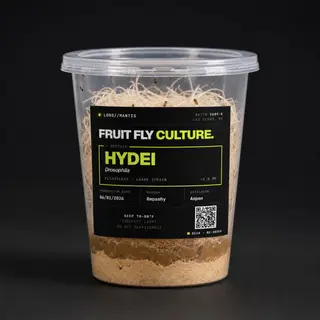
- A feeder culture matched to your mantis’s stage so food is on hand for its first feeding, which can be the day it arrives.
For species-specific temperature, humidity, and setup details, see the care guides.
Frequently Asked Questions
What size enclosure does a praying mantis need?
At least 2.5× the mantis’s body length in total height (3× if you can), with 2× clear drop below the perch, and ventilation on two sides. Our Medium (15 cm / 5.9 in tall) suits L3–L6 nymphs; the Large (20 cm / 7.9 in tall) is the adult enclosure for Ghost, Spiny Flower, Orchid and African Twig. Dead Leaf and Double Shield adults (8–9 cm, with wide pronotums) need 25–30 cm of height (8×8×12 in or bigger).
Why does a mantis enclosure need to be tall?
Mantises molt hanging upside down and need vertical room to drop free of their old exoskeleton. Without enough height below the perch, the molt fails, the most common cause of death in captivity. Height matters far more than floor space.
Can I keep a mantis in a jar or critter keeper?
You can, but most fall short on height or cross-ventilation. A short jar risks failed molts; a wide critter keeper with a single top vent traps stale air. Purpose-built enclosures solve both, which is why we recommend them.
Do enclosures ship with my mantis?
Yes. All enclosures and accessories ship flat-rate with your mantis order, no extra shipping charge when bundled, so you can set everything up the day your mantis arrives.