


The Double Shield Mantis is the bruiser you didn’t know you needed. Pnigomantis medioconstricta is built different, literally. That double-pinched pronotum creates two armored shield plates stacked on a thick, mottled frame that looks like it was designed to intimidate. When threatened, this mantis doesn’t run. It rears back, fans its wings, and flashes bright blue inner-arm markings right in your face. No other species in the US hobby carries this combination of stocky aggression and visual drama. If you’re looking to buy a Double Shield Mantis, you’re looking at the longest-lived, hardest-hitting mantis we breed.
Why Buy a Double Shield Mantis
Most mantis species are ambush predators. The Double Shield is an ambush predator with an attitude problem. Here’s what sets Pnigomantis medioconstricta apart from everything else for sale in the hobby right now.
The longest lifespan in our lineup. Twelve months is the floor. Eighteen months is achievable with solid husbandry. That’s longer than a Ghost and well beyond a Chinese Mantis. See how it stacks up in our praying mantis lifespan by species breakdown. You’re not buying a pet that disappears in 90 days. You’re buying a companion that sticks around.
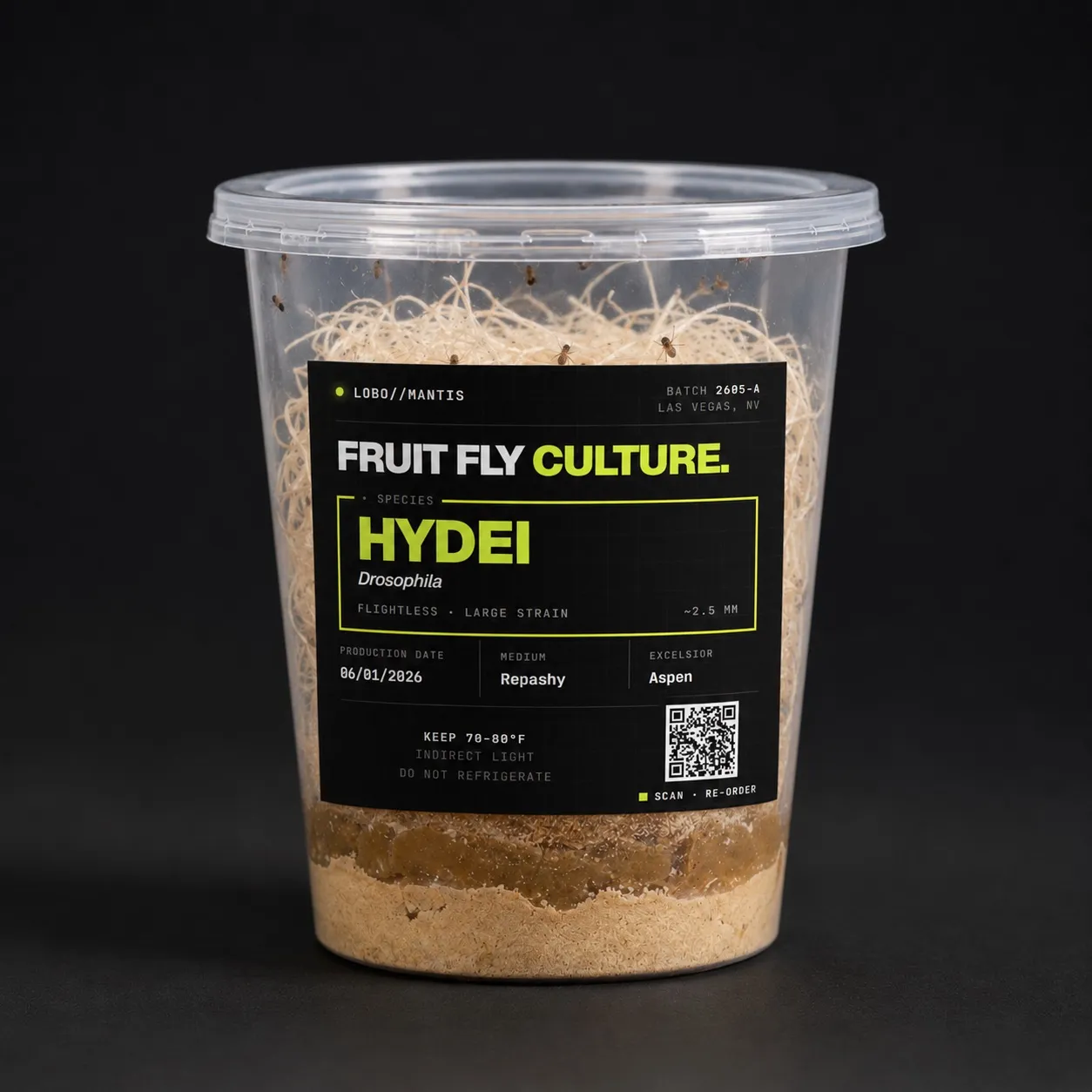
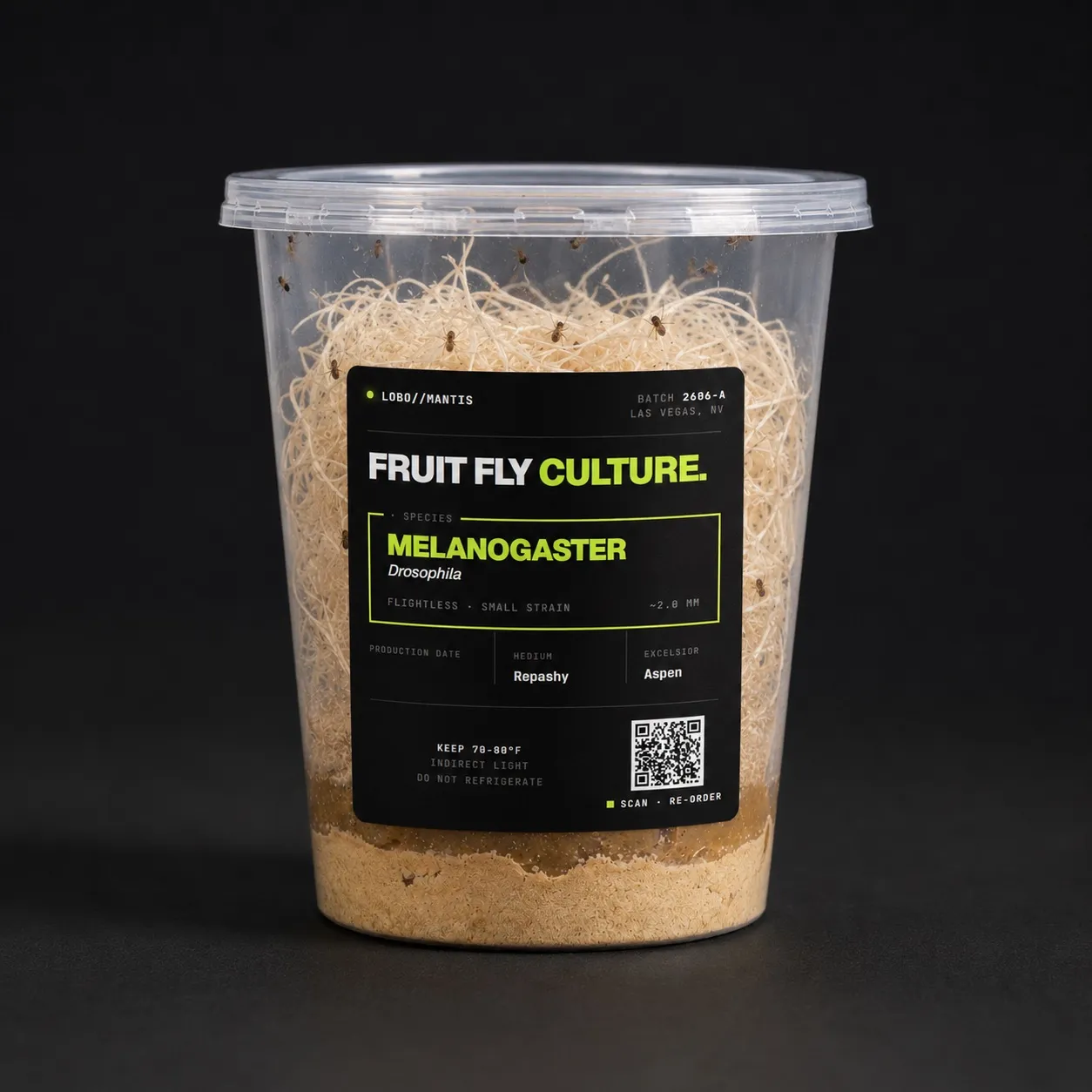
Aggressive eaters from day one. L1 nymphs attack fruit flies like they have something to prove. Subadults demolish blue bottle flies and house flies without hesitation. Adults take down dubia roaches, bottle flies, and moths with authority. Feeding time is never boring with this species.
The blue threat display. When a Double Shield Mantis feels challenged, it throws up its raptorial arms and reveals vivid blue patches on the inner forearms. It’s a bluff, mostly, but it’s one of the most striking defensive displays in the entire order Mantodea. People buy this species just for the display. They stay for the personality.
That unmistakable silhouette. The “double shield” pronotum is not just a name. The constriction creates a profile that’s instantly recognizable: two distinct lobes that look like stacked armor plates. No other mantis in the trade has this morphology. Your friends will ask what it is. You’ll enjoy telling them.
A confident beginner’s species. Easy once the routine is set, less forgiving of missed days than a Ghost or Twig. Target 72–86°F; 68°F is the tolerated floor. Humidity between 50–60%. No supplemental heat unless your house is unusually cold. Keep the routine steady and this is a high-impact animal for modest effort.
What You’ll Receive
Every Double Shield Mantis for sale from LOBO//MANTIS is captive-bred in Las Vegas, Nevada. We do not import. We do not resell. Every nymph is produced from our own breeding colonies and raised in-house.
Your order includes:
- One (1) Pnigomantis medioconstricta nymph. You’ll receive a healthy, established nymph, past the fragile hatchling stage and already feeding on its own. Exact stage varies with each hatch.
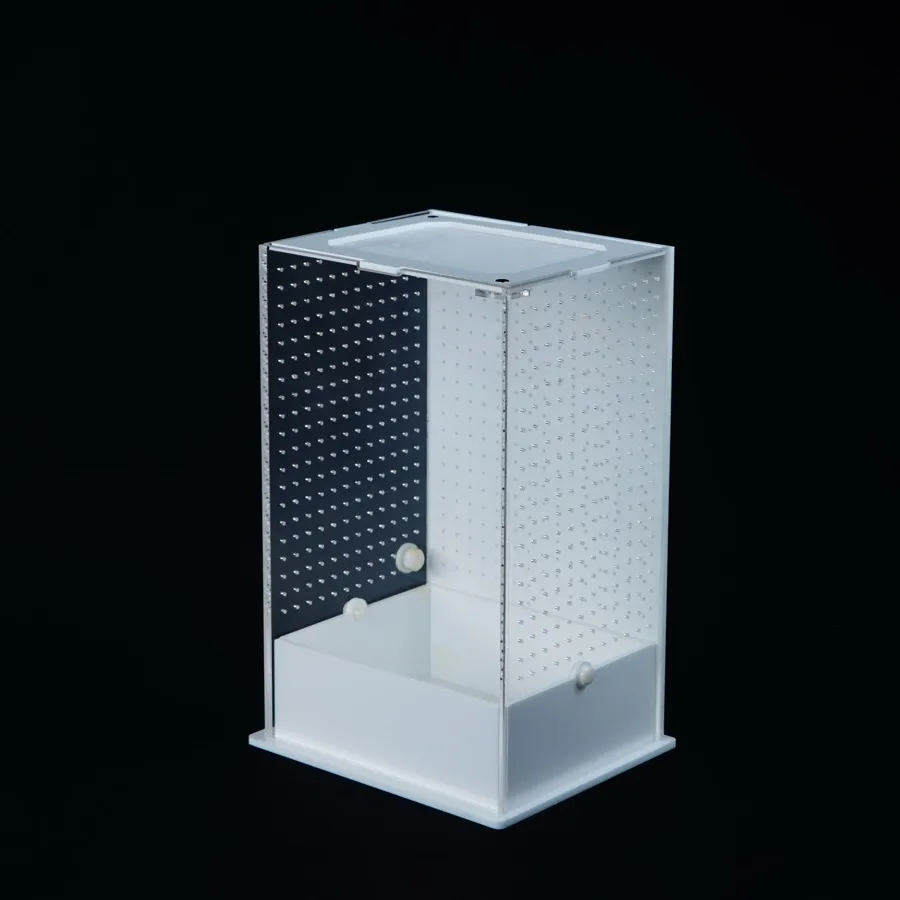
- A deli cup habitat with ventilation, suitable for the nymph’s current size
- A starter supply of appropriately sized feeder insects
- Printed care card with QR code linking to our full care guide
Nymphs ship in insulated packaging with a free heat pack added automatically when your forecast low is 40°F or lower, or a free ice pack when your forecast high is above 85°F. Every mantis is individually inspected before packing. We don’t ship anything we wouldn’t keep for our own colonies.
Pricing & Availability
We sell Double Shield Mantis as nymphs for $40. The listing above always shows the live price and current stock. Every nymph has already been raised through the riskiest earliest stages before it ships.
Nymphs are released in periodic drops; new stock typically ships on the next ship day. Clutches hatch on their own schedule, not ours. If the species is currently sold out, join the waitlist and you’ll get first notice before the next drop goes live.
Shipping
We ship live mantises via Priority Overnight from Las Vegas, Nevada. Orders ship every Monday and Tuesday. This ensures your mantis arrives early in the week and doesn’t sit in a facility over a weekend. Orders placed after the 8 AM PT cutoff go out on the next ship day.
- All shipments include insulated packaging; a free heat pack is added automatically when your forecast low is 40°F or lower, or a free ice pack when your forecast high is above 85°F
- Live arrival guarantee on every Priority Overnight order: if your mantis arrives dead, file your claim within 24 hours of unboxing at lobomantis.com/claim with a continuous unboxing video and we’ll replace it, or refund the animal’s price if we can’t restock soon. Priority Overnight orders only; post-arrival death isn’t covered
- Weather: we check the forecast along your route before every shipment. At 90°F or higher, or 40°F or lower, we don’t hold the order. We re-route the overnight box to a staffed FedEx counter for same-day collection (heat), or add a free heat pack (cold). Above 85°F, a free ice pack goes in the box. We only hold a shipment for severe weather or a carrier alert, and we email you if that happens
- Shipping is flat-rate: $60 Priority Overnight (live arrival guaranteed) or $30 2-Day (ships at buyer’s risk, no live-arrival guarantee). That covers the insulated box, any heat or ice pack, and label. We don’t profit on shipping
- Delivery: usually the next business day
We do not ship to PO boxes. A signature may be required depending on your area.
Is the Double Shield Mantis Right for You?
If you want a low-maintenance mantis that lives long, eats hard, and looks like nothing else in your collection, yes. The Double Shield is a confident beginner’s species: easy once the routine is set, less forgiving of missed days than a Ghost or Twig. Temperature and humidity needs are broad. They’re not picky eaters.
That said: this is not a species for the squeamish. They eat with enthusiasm and without manners. Males are frequently cannibalized during mating. That’s the reality of keeping this species. If you want something delicate and pretty, look at an Orchid Mantis. If you want a tank with an attitude, you’re in the right place.
Looking for another hardy, low-fuss species to pair with this one in your collection? The African Twig Mantis shares the same beginner-level care and actively chases its prey. Or if you want to step up to intermediate territory with a camouflage specialist, the Dead Leaf Mantis brings a dramatic death-feign display and a wide leaf-shield pronotum on a 7–8 cm female.
For full husbandry details (enclosure setup, heating, feeding schedules, molting tips, and breeding notes), check our Double Shield Mantis Care Guide.
Frequently Asked Questions
How much does a Double Shield Mantis cost? (Double Shield Mantis price) At LOBO//MANTIS, Double Shield Mantis nymphs are $40, one price, no instar tiers. The listing above always shows the live price as the single source of truth. For how species pricing compares across the hobby, see our praying mantis cost guide.
How long do Double Shield Mantises live? Pnigomantis medioconstricta has one of the longest lifespans of any commonly kept pet mantis, typically 12 to 18 months from hatching to natural death: about 14 to 18 for a female and 12 to 14 for a male. Proper temperatures, consistent feeding, and appropriate humidity will push lifespan toward the upper end.
Are Double Shield Mantises aggressive? Toward their prey, absolutely. They’re voracious feeders that rarely refuse a meal. Toward humans, they’re handleable but can deliver a pinch if startled. They are not communal: housing two together will result in one very well-fed mantis and an empty enclosure. Cannibalism is severe with this species.
Where can I buy a Double Shield Mantis? Right here. LOBO//MANTIS breeds Pnigomantis medioconstricta in-house in Las Vegas, Nevada. All nymphs are captive-bred from our own colonies and shipped via Priority Overnight with a live arrival guarantee. No imports, no middlemen, no mystery stock.
How big do Double Shield Mantises get? Adult females reach approximately 9 cm (about 3.5 inches). Males are slightly smaller at around 8 cm. They’re not the longest mantis species, but they’re among the stockiest: the broad pronotum and thick raptorial arms give them a heavy, armored appearance that bigger species lack.