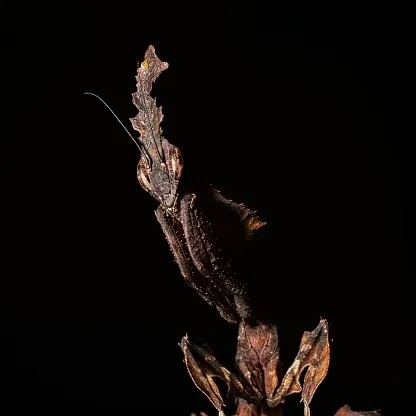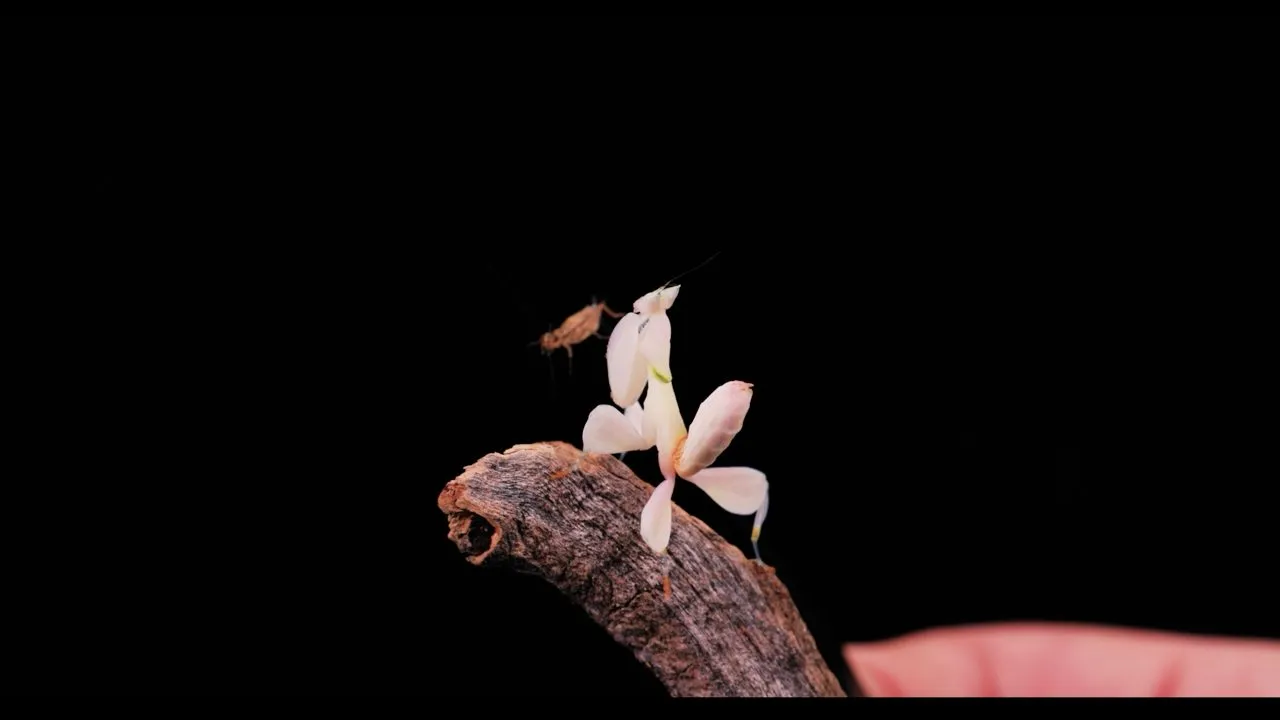


A pet praying mantis typically costs $30 to $80 for a captive-bred exotic species, or as little as $5–15 for a common native species like a Chinese mantis. The mantis is usually the cheap part: overnight shipping runs about $60 and a starter setup $35–$70, so a realistic first-year budget is $180–350. The animal’s own price comes down to species rarity, life stage, and whether it’s captive-bred or wild-caught; the breakdown by species is below.
I’m a US breeder, so the prices below are real 2026 numbers, what these animals actually sell for, not a guess. Here’s the full breakdown.
Praying mantis price by species
These are current captive-bred nymph prices at LOBO//MANTIS (Las Vegas, NV). Live prices and stock are always on the shop page.
| Species | Care level | Price (captive-bred) |
|---|---|---|
| Ghost Mantis | Beginner | $30 |
| Double Shield Mantis | Beginner-Intermediate | $40 |
| African Twig Mantis | Beginner | $45 |
| Spiny Flower Mantis | Beginner | $40 |
| Dead Leaf Mantis | Intermediate | $35 |
| Orchid Mantis | Intermediate | $80 |
Common native species like the Chinese mantis (Tenodera sinensis) or Carolina mantis sell for as little as $5–15 from garden-supply sellers, often as egg cases rather than live nymphs. We focus on captive-bred exotic species, which cost more but arrive healthy, parasite-free, and feeding.
What affects praying mantis pricing?
Species rarity
Species is the biggest price factor. Hardy species like the Ghost and African Twig mantis are straightforward to raise: nymphs feed readily and molt reliably, so supply is steady and the price stays low. Orchid mantises grow slowly, need tighter humidity, and lose more nymphs along the way, so each animal that reaches you represents more time and risk, and they sit at the top of the price range.
Life stage (instar)
Across the hobby, younger nymphs are cheaper than older juveniles or adults, for two reasons:
- Mortality risk: a real percentage of nymphs don’t survive to adulthood even in ideal conditions. Buying an older animal means paying for the breeder’s losses along the way.
- Time invested: an adult Orchid female represents four months or more of daily feeding, misting, and maintenance before she’s ever listed. That labor has value.
Buying younger saves money but means you raise the animal through its most vulnerable stages yourself. We list one price per species and ship established young nymphs past the hatchling stage; the exact stage varies with each hatch.
Sex
Across the hobby, once a mantis is old enough to sex (usually L4–L5), sellers charge $5–25 more for a confirmed female. We don’t: one price per species, unsexed. Females live longer, grow larger, and display better; males are smaller, shorter-lived, and mostly wanted for breeding.
Captive-bred vs. wild-caught
This matters more than the sticker price. Captive-bred mantises from a US breeder are acclimated from hatch, parasite-free, packed and shipped following USDA guidance for live insects, and come with a known age and lineage. Imported or wild-caught animals look cheaper but carry quarantine stress, unknown age, parasites, and sometimes legal gray areas. I only sell captive-bred. The health difference is night and day.
Seasonal availability
Breeding is cyclical. When an egg case hatches, nymphs are plentiful and prices ease; between hatches, supply tightens. If a species shows sold out in the shop, I’m simply between breeding cycles. You can join the waitlist to get first notice on the next batch.
Typical US market prices
The prices above are what I charge. Here’s the typical range across US captive-bred breeders, so you can sanity-check any listing you’re comparing:
| Type | Typical US price (captive-bred) |
|---|---|
| Common native (Chinese/Carolina, often as an egg case) | $5–15 |
| Prolific, hardy exotics (Ghost, Double Shield) | $20–40 |
| Flower & shield mimics (Spiny Flower, African Twig) | $35–55 |
| Leaf mimics (Dead Leaf) | $30–60 |
| Slow-growing showpieces (Orchid) | $60–100+ |
| Confirmed female or sexed juvenile | add $5–25 |
| Live shipping | Varies by seller; flat $60 overnight / $30 2-Day at LOBO//MANTIS |
Our own prices land at or near the low end of these ranges: captive-bred, shipped overnight, backed by a live arrival guarantee on overnight orders.
Total cost of ownership
The mantis itself is usually the smallest expense. A realistic first-year budget:
One-time setup:
- Ventilated enclosure: $15–40; see our terrarium setup guide and getting-started care sheet for what a mantis actually needs
- Misting bottle: ~$10
- Sticks / fake foliage for perching: $10–20
Ongoing:
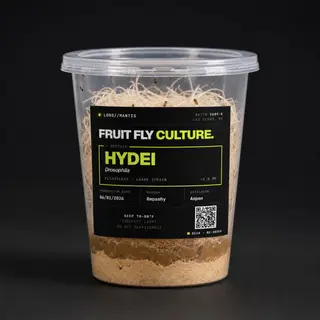
- Feeder insects (fruit fly cultures, bottle-fly spikes): $5–15/month for one mantis; an early-instar nymph on a single fruit fly culture often costs only a few dollars a month, scaling up as it grows
Shipping: Live mantises ship in insulated packaging. At LOBO//MANTIS it’s a flat $60 for Priority Overnight or $30 for 2-Day, a heat pack is added free whenever the forecast calls for it, and every Priority Overnight order carries the live arrival guarantee, so the delivered cost, not just the sticker price, is what to compare between sellers.
Realistic first-year total: $180–350, mantis included, depending on species and enclosure choice. Compared to other exotic pets, a mantis is remarkably cheap to keep: no special lighting, no large terrarium, no vet bills.
Best value for a first mantis
If you want the most experience for the least money:
- Ghost Mantis, $30. Hardy, forgiving, low-cannibalism, and you get the full journey of raising a mantis from nymph to adult. The best beginner pick.
- Spiny Flower Mantis, $40. A big jump in visual drama (those eyespot displays) for only $10 more, still beginner-friendly.
If budget isn’t the constraint and you want a showpiece, the Orchid Mantis at $80 is worth the premium. It’s the most photographed mantis in the hobby for a reason.
New to mantises entirely? Our best beginner mantis guide walks through which species to start with.
Where to buy a praying mantis
- Specialty breeders (recommended). Captive-bred animals from someone who knows the species. Every LOBO//MANTIS order ships from Las Vegas with a live arrival guarantee on overnight shipping, and I answer care questions after the sale. New to this? Our praying mantis buying guide walks through what to look for.
- Pet stores. Few carry mantises; those that do usually stock only Chinese mantises, with limited selection and little species-specific knowledge.
- Online marketplaces. Buyer beware: some sellers are real breeders, others flip imported or wild-caught animals with no guarantee if it arrives dead.
The bottom line
A captive-bred pet praying mantis costs $30 to $80 at LOBO//MANTIS, with beginner species starting at $30. Add a modest enclosure and cheap feeder insects, and it’s one of the most affordable exotic pets you can keep, with one of the most rewarding payoffs.
Browse current prices, stock, and live arrival details in the LOBO//MANTIS shop.
Frequently Asked Questions
How much does a praying mantis cost?
A pet praying mantis costs about $5–15 for a common native species (like a Chinese mantis) and $30–$80 for a captive-bred exotic species. Popular pet species such as Ghost ($30), Spiny Flower ($40), and Orchid ($80) sit in the $30–$80 range, depending on the breeder, life stage, and sex.
What is the cheapest praying mantis?
The cheapest are native species like the Chinese or Carolina mantis, often sold as egg cases for $5–15. Among captive-bred exotic pet species, the Ghost Mantis is the most affordable at $30, followed by the Dead Leaf Mantis at $35, then Double Shield and Spiny Flower at $40.
How much does it cost to keep a praying mantis per month?
Ongoing costs are low, about $5–15 per month for feeder insects (fruit fly cultures or bottle-fly spikes) for a single mantis, scaling up slightly as it grows. There’s usually no lighting or vet cost; budget for a small thermostat-controlled heater only if your room runs cold. Including the mantis and a one-time enclosure, a realistic first-year total is $180–350.
Are praying mantises legal to own as pets?
Yes, in 48 states. Hawaii and Florida treat non-native mantises as regulated animals and don’t issue pet permits for them, and Alaska requires a state permit before a live insect can be shipped in. Everywhere else, you don’t need a permit or license of your own to buy or keep a captive-bred mantis; the permit rules on importing and on moving insects between states fall on the shipper, not the buyer. Buying from an established US breeder rather than an importer or a flipper keeps you clear of the gray areas. See our praying mantis legality guide for the state-by-state detail.
How long does a pet praying mantis live?
Most pet mantises live 6–12 months total, from hatch to death, with adults typically living 2–6 months after their final molt (females longer than males). See our lifespan guide by species for specifics.
Is a praying mantis a good first exotic pet?
Yes, mantises are among the most affordable, low-maintenance exotic pets. A beginner-friendly species like a Ghost Mantis costs about $30, needs a small enclosure, and eats inexpensive feeder insects.
How much does an orchid mantis cost?
Orchid mantises run about $60–100+ across US breeders (the top of the pet-mantis range) and $80 at LOBO//MANTIS. They cost more because they grow slowly, need tighter humidity, and have higher nymph mortality, so each surviving animal represents more time and risk from the breeder.
How much is a ghost mantis?
Ghost mantises are among the cheapest captive-bred exotics, typically $20–40, and $30 at LOBO//MANTIS. Their nymphs are hardy and forgiving, so raising them to a sellable stage is reliable, which keeps the price low and makes them the usual first-mantis pick.
How much does it cost to ship a live praying mantis?
At LOBO//MANTIS, live shipping is a flat $60 for Priority Overnight or $30 for 2-Day, and a heat pack is free whenever the route needs one. Other sellers vary, so compare the delivered price, not just the animal’s sticker price. Every LOBO//MANTIS overnight order ships with a live arrival guarantee.