

Choosing your first praying mantis is exciting, but picking the wrong species can turn a fun hobby into a frustrating experience fast. (Still deciding whether a mantis is the pet for you at all? Here’s the case for a mantis over a tarantula.) Not all mantises are created equal when it comes to beginner-friendliness, and the easiest praying mantis to keep isn’t always the one new keepers reach for first.
What is the best pet mantis for beginners?
The Ghost Mantis is the best pet mantis for beginners. It tolerates a wide range of humidity and temperature, rarely refuses food, is one of the more communal-tolerant species, and is forgiving of the mistakes new keepers inevitably make. The African Twig Mantis is a close second for its hardiness and calm temperament.
How I ranked these species
I breed and ship mantises to first-time keepers from my facility here in Las Vegas. This ranking is based on what I see succeed, and what I see people struggle with. Factors include temperature sensitivity, humidity demands, feeding difficulty, fragility during molting, and how forgiving the species is when conditions aren’t perfect.
1. Ghost Mantis: easiest overall
Difficulty: 2/10 Adult size: ~2 inches Lifespan: 8-18 months (males 8-12, females 12-18) Humidity: 60-70% (very forgiving) Temperature: 70-80°F
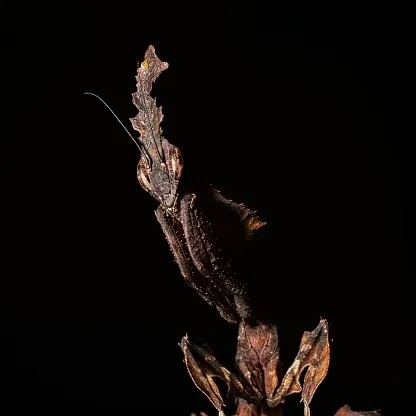
The Ghost Mantis (Phyllocrania paradoxa) is my top recommendation for anyone who has never kept a mantis before. They tolerate dry spells, they eat reliably, and they rarely have molting issues. Their leaf-like camouflage makes them visually interesting without requiring the demanding care of flashier species.
The best part: Ghost Mantises are one of the few species experienced keepers sometimes keep communally. Even then it only works with same-instar individuals housed in a large enclosure with constant food, and occasional cannibalism still happens, so for your very first mantis I’d start with a single animal.
Why it’s great for beginners: Nearly bulletproof. Handles fluctuations in humidity and temperature better than any other species I sell.
Potential downside: They’re not as colorful as some other options, and they can be shy.
Shop Ghost Mantis | Ghost Mantis Care Guide
2. African Twig Mantis: calm and hardy
Difficulty: 2.5/10 Adult size: ~3 inches Lifespan: 6-12 months (females 10-12, males 6-9) Humidity: 40-60% Temperature: 72-86°F
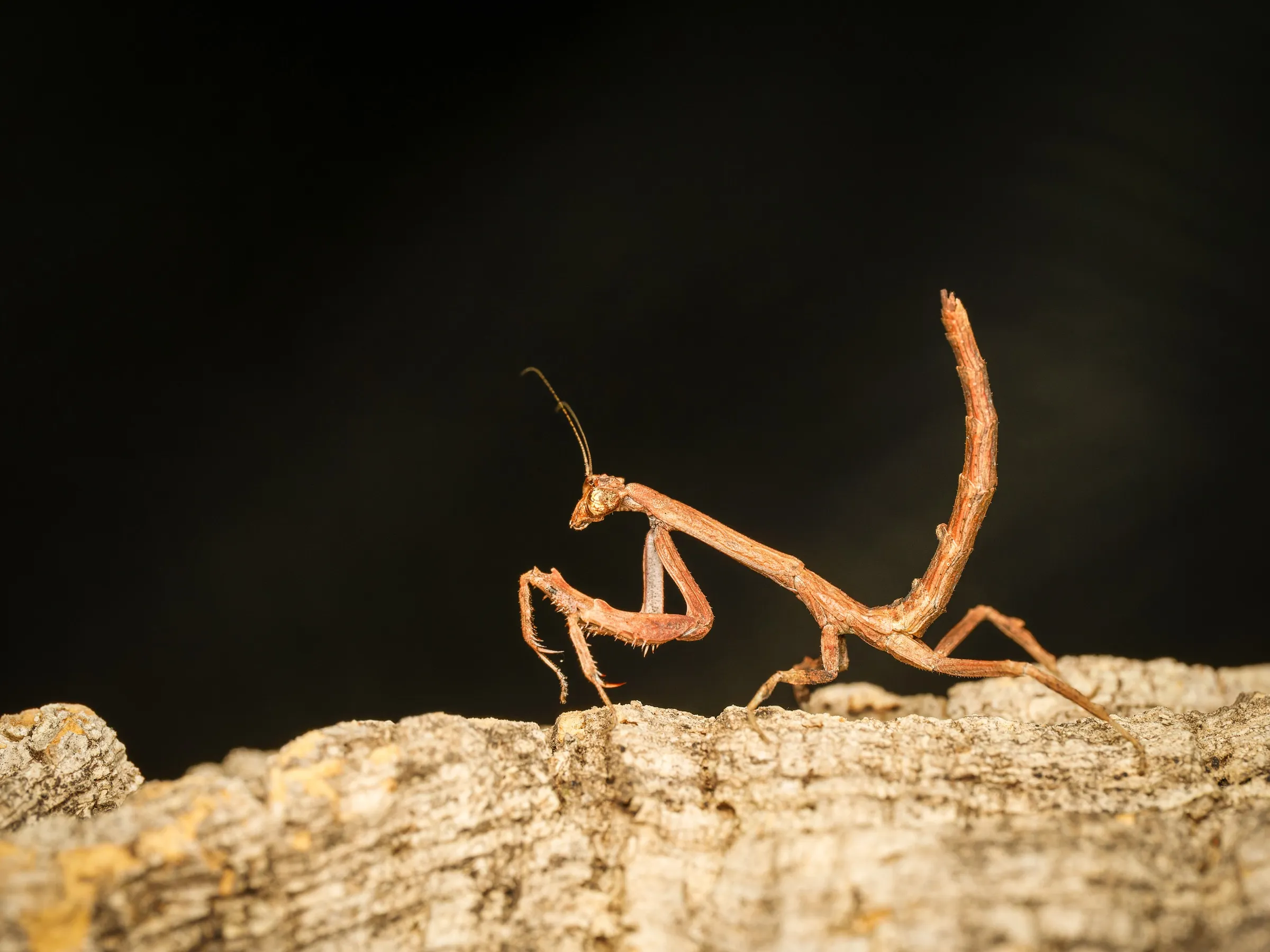
The African Twig Mantis (Popa spurca) is an underrated beginner species. It’s calm on the hand as a nymph, it freezes into a twig rather than bolting, but it’s a fast, food-driven striker: wash your hands first, and handle adult males only over the enclosure because they fly. Care requirements are about as simple as it gets. Low humidity, room temperature, and consistent feeding: that’s really all they ask for.
Why it’s great for beginners: Extremely low-maintenance. Doesn’t need misting as often as tropical species.
Potential downside: Not flashy. They look like a stick, which is the point, but if you want something eye-catching this isn’t it.
Shop African Twig Mantis | African Twig Mantis Care Guide
3. Spiny Flower Mantis: colorful but manageable
Difficulty: 4/10 Adult size: ~2 inches Lifespan: 8-11 months Humidity: 40-60% Temperature: 70-80°F (75-80 by day, 70-75 at night)
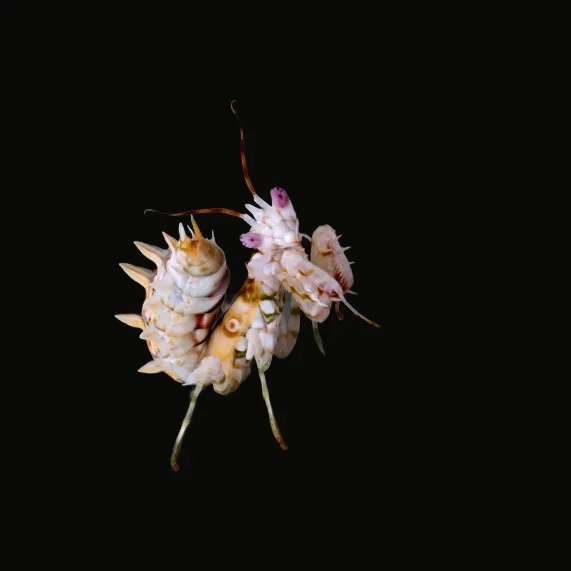
The Spiny Flower Mantis (Pseudocreobotra wahlbergii) is the species I recommend when someone wants something beautiful but isn’t ready for the difficulty of an Orchid Mantis. They have a striking threat display and colorful patterns, and their care is only slightly more demanding than a Ghost Mantis.
Why it’s great for beginners: Gives you that “wow factor” without extreme humidity requirements. Bold feeders.
Potential downside: Smaller species, so they need smaller prey in early instars. It wants it drier than a Ghost, too wet is the risk, not too dry.
Shop Spiny Flower Mantis | Spiny Flower Mantis Care Guide
4. Dead Leaf Mantis: moderate care
Difficulty: 5/10 Adult size: 2.75–3.15 inches (7–8 cm) Lifespan: 8-13 months Humidity: 60-80% Temperature: 72-85°F (77-85 by day, 72-76 at night)
The Dead Leaf Mantis (Deroplatys gorochovi, the species we ship under this name) is a fantastic display animal. Their camouflage is genuinely impressive, they look exactly like a curled dead leaf. But they need higher humidity than the species above, and they can be more particular about prey size and type.
Why it’s good for beginners with some research: Stunning to look at, decent size, and not overly fragile. If you can maintain 60-80% humidity consistently, you’ll be fine.
Potential downside: Humidity drops below 60% can cause molting problems. They need ventilation too, so balancing airflow and moisture takes some dialing in.
Shop Dead Leaf Mantis | Dead Leaf Mantis Care Guide
5. Double Shield Mantis: for the prepared beginner
Difficulty: 6/10 Adult size: 3.1-3.5 inches Lifespan: 12-18 months Humidity: 50-60% Temperature: 68-86°F
The Double Shield Mantis (Pnigomantis medioconstricta) is impressive in size and has a unique shield-like pronotum that makes it a conversation piece. Care isn’t extreme, but they’re less forgiving of inconsistency than the species ranked above them.
Why it works for prepared beginners: If you’ve done your homework on enclosure setup and have a reliable misting routine, this species rewards you with a large, interesting mantis.
Potential downside: Can be skittish. Needs consistent conditions, they don’t bounce back from neglect as well as Ghost Mantises do.
Shop Double Shield Mantis | Double Shield Mantis Care Guide
6. Orchid Mantis: beautiful but demanding
Difficulty: 7/10 Adult size: 1-2.6 inches (females larger) Lifespan: 5-10 months (males ~5, females 8-10) Humidity: 60-80% (needs consistency) Temperature: 75-85°F (78-82 by day, low 70s at night)
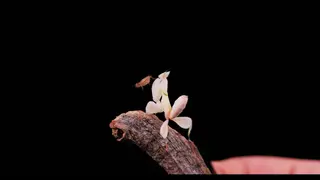
The Orchid Mantis (Hymenopus coronatus) is the species everyone wants first. I get it, they’re stunning. Pink and white coloration, petal-like legs, arguably the most beautiful insect you can keep. But they’re not a great first mantis. (If you’re torn between this and my top pick, the head-to-head below settles it.)
Orchid Mantises need higher and more consistent humidity, they’re prone to mismolts if conditions fluctuate, and females in particular can be picky eaters. Females also take longer to reach adulthood, which means more molts, and more humidity-dependent molt windows where things can go wrong.
Why beginners should wait: Not because they’re impossibly hard, but because one bad molt from a humidity drop and your expensive animal is gone. Learn the basics on a forgiving species first.
Who should get one: Someone who has successfully raised at least one other species to adulthood and has a reliable humidity setup.
Shop Orchid Mantis | Orchid Mantis Care Guide
Quick comparison
| Species | Difficulty | Size | Lifespan | Humidity | Temp | Price |
|---|---|---|---|---|---|---|
| Ghost Mantis | 2/10 | ~2” | 8-18 mo | 60-70% | 70-80°F | $30 |
| African Twig | 2.5/10 | ~3” | 6-12 mo | 40-60% | 72-86°F | $45 |
| Spiny Flower | 4/10 | ~2” | 8-11 mo | 40-60% | 70-80°F (75-80 by day, 70-75 at night) | $40 |
| Dead Leaf | 5/10 | 2.75-3.15” | 8-13 mo | 60-80% | 72-85°F (77-85 by day, 72-76 at night) | $35 |
| Double Shield | 6/10 | 3.1-3.5” | 12-18 mo | 50-60% | 68-86°F | $40 |
| Orchid Mantis | 7/10 | 1-2.6” | 5-10 mo | 60-80% | 75-85°F (78-82 by day, low 70s at night) | $80 |
Lifespans above are total lifespans from hatch, not adult-stage ranges, for the female/male split and adult-stage figures see praying mantis lifespan by species.
Head-to-head comparisons
The two matchups new keepers ask about most, side by side.
Orchid Mantis vs Ghost Mantis
The Orchid Mantis is the showpiece and the Ghost Mantis is the starter, and the numbers say most of it: $80 vs $30, difficulty 7/10 vs 2/10, and a total lifespan of 5-10 months vs 8-18. The Orchid needs 60-80% humidity held steady (a dip invites a mismolt), 75-85°F warmth, and strongly prefers flying prey; it is solo-only and skittish enough to treat as a display animal. The Ghost sits happily at 60-70% humidity at room temperature, eats whatever moves, tolerates brief gentle handling, and is one of the few species that can be raised communally as nymphs when food is always available.
If you have never kept a mantis, get the Ghost Mantis first and come back for the Orchid Mantis as your second species. You will enjoy the Orchid ten times more when a humidity dip does not cost you an $80 animal mid-molt.
Ghost Mantis vs Dead Leaf Mantis
Both are leaf mimics; they just take the job differently. The Ghost is the small, cryptic one: about 2 inches, forgiving on humidity (60-70%, and it prefers to run a touch dry), calm on a hand, communal-tolerant as a nymph, $30. The Dead Leaf Mantis is the theatrical one: females reach 7-8 cm behind a wide, vein-patterned shield, and when the camouflage fails it throws a wings-open threat display or drops and plays dead. It wants 72-85°F, 60-80% humidity over a lightly damp substrate with real airflow, generous hanging height for that wide-pronotum molt, and its own enclosure; cannibalism rules out roommates. The sticker gap is $30 vs $35, but the real cost difference is that a beginner is far more likely to lose a Dead Leaf to a humidity crash or a snagged molt.
Start with the Ghost; make the Dead Leaf the showpiece for round two.
What about Chinese, African, and Giant Asian mantis?
These three are the hardy names you’ll see on almost every other beginner list, and they earn it. The Chinese Mantis (Tenodera sinensis), African Mantis (Sphodromantis spp.), and Giant Asian Mantis (Hierodula spp.) all shrug off humidity swings and eat nearly anything. I don’t raise them: they’re big, plainer, and most of what’s sold is wild-caught rather than captive-bred. My picks above are every bit as forgiving for a first-timer, a Ghost or African Twig is as hardy as a Chinese Mantis and far more interesting to look at. If you specifically want a large green mantis, those three are fine starter animals; they’re just not what I breed.
Ready to start?
If this is your first mantis, grab a Ghost Mantis or an African Twig Mantis. You’ll learn the fundamentals, feeding, misting, molting support, without risking a pricier animal on a beginner mistake. (Curious what species actually cost? See how much a praying mantis costs.)
Once you’ve raised one to adulthood, you’ll have the confidence and the setup to move up to an Orchid Mantis or Dead Leaf Mantis. Browse all available species in the shop.
Next steps
- New to the hobby? Start with our praying mantis buying guide.
- Getting your enclosure ready: terrarium setup guide and the getting started care guide.
Frequently Asked Questions
What is the best praying mantis for beginners?
The Ghost Mantis. It tolerates a range of temperature and humidity, rarely refuses food, and forgives the mistakes every new keeper makes. The African Twig Mantis is a close second.
Which is better for a beginner, an orchid mantis or a ghost mantis?
The Ghost Mantis, clearly. It forgives the humidity swings and feeding mistakes that stress an Orchid, costs $30 against the Orchid’s $80, and lives longer: 8-18 months total against 5-10. The Orchid rewards a keeper who already has the husbandry habits down; make it your second species.
How long do beginner mantis species live?
Most hobby species live 6 to 12 months from hatch; Ghost and Double Shield females reach 18, and females consistently outlive males. See the lifespan by species breakdown for the exact ranges.
How much does a beginner mantis cost?
Our beginner picks run $30 to $45: Ghost Mantis at $30, Dead Leaf at $35, Spiny Flower at $40, African Twig at $45. The $80 Orchid Mantis is the one to hold off on until you’ve kept something hardier first.
Are spiny flower mantis good for beginners?
Yes, with one caveat. The Spiny Flower Mantis is a solid beginner-to-early-intermediate species, a bold feeder with a striking threat display, only a step up from a Ghost Mantis (I rate it 4/10). The one thing to watch is humidity: it wants 40–60%, drier than a Ghost, and too wet is the risk, soak it and fungal problems follow. Keep humidity steady and it’s a great colorful first mantis; if it’s your very first insect, start with a Ghost and make this your second.
What is the easiest praying mantis to keep?
The Ghost Mantis, by a wide margin, it handles humidity and temperature swings better than any species I raise, eats reliably, and rarely mismolts. The African Twig Mantis is a close second and needs even less misting, so it’s the easiest pick if you want to mist as little as possible.