


The default cleanup crew, and the one to buy if you’re only buying one. Tropical Whites eat mould, fungus and decaying matter, they breed fast, and a culture kept properly never needs replacing.
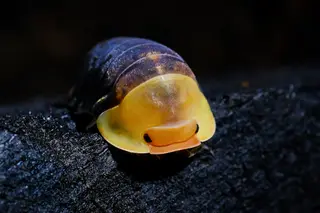
Unlike the display isopods, this is a working animal. You buy it to do a job in a vivarium.
What You’re Buying
A live producing culture: a vented cup of moist media with an established population, plus a food source. Nobody counts springtails, and any seller quoting you an exact number is estimating.
From that one culture you can seed an enclosure and split off new cultures indefinitely. The springtail culture care guide covers both, including the two harvesting methods and when to use each.
What They Do
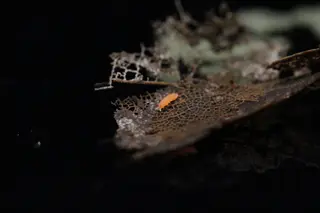
In a bioactive setup they are the reason a vivarium doesn’t fuzz over in the first month. They graze mould before it establishes, break down waste and shed skin, and keep the substrate turning over. They’re small enough (one to three millimetres) that you mostly won’t see them, which is the point.
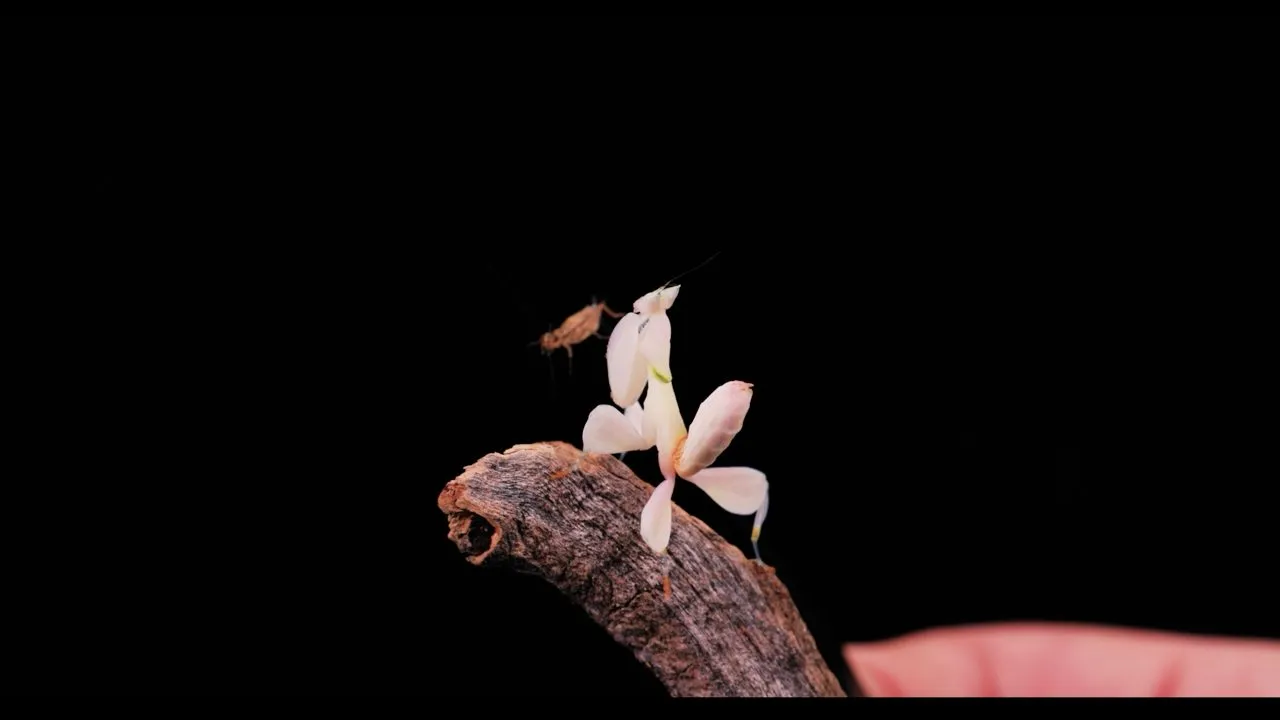
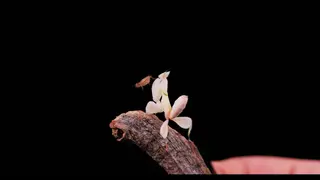
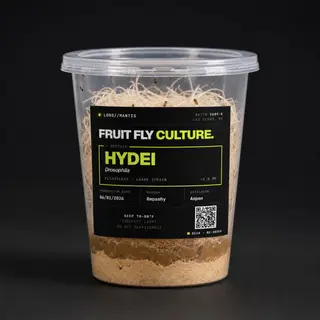
They are not feeders. Springtails get recommended as mantis nymph food constantly and it is bad advice: experienced keepers are blunt that they’re too small to interest even a freshly hatched nymph. For feeding, buy fruit flies. For cleanup, buy these.
Keeping the Culture Going
Room temperature, out of direct sun, and never allowed to dry out. A culture that dries completely is gone. Condensation on the lid is normal and generally a good sign.
Feed sparingly. You are really feeding a small amount of mould for the springtails to graze, and over-feeding is the most common way to kill a culture: excess food moulds faster than the colony can eat it, the medium sours, and mites move in. A few grains of yeast or a handful of uncooked rice is enough.
Split the culture every couple of months and you will never need to buy another. Full method in the culture care guide.
A note on the name
These have circulated in the hobby as Sinella curviseta for years. That identification has been challenged: specialists have identified the animal actually in the trade as a Coecobrya species, and a number of sellers have relabelled since. We list ours as Coecobrya sp. rather than repeat a name that has already been corrected. It is the same animal the hobby has kept for a decade either way.
Frequently Asked Questions
How many springtail cultures do I need?
One culture seeds a small enclosure. Larger builds want two to four. Springtails self-regulate to the available food, so seeding heavily gets you to a working density sooner rather than permanently increasing the population. See the sizing table in the care guide.
Can I feed springtails to my praying mantis?
No. They are too small to interest even an L1 nymph. They belong in the enclosure as cleanup, not as food. Use fruit flies for feeding.
Do springtails bite?
No. They have no mouthparts that can affect a person, they aren’t parasites, and they carry no disease. They’re confused with fleas because both jump; fleas bite and springtails don’t.
Will they escape into my house?
No. They need constant moisture and will not establish in a dry home. Escapees die out rather than colonise.
Tropical White or Thai Red?
Tropical Whites are the workhorse: faster, hardier, cheaper, and the right answer for actual cleanup. Thai Reds are a display culture.