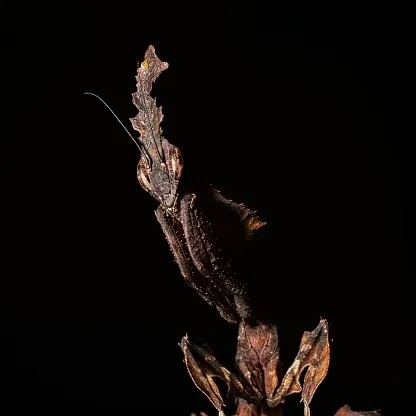
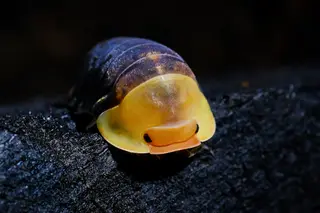



I get this question a lot, usually from someone standing at the entrance to the exotic pet hobby trying to decide which door to walk through. Both are invertebrates. Both live in enclosures. Both eat live prey. But the day-to-day experience of keeping them is completely different.
I’ve kept both. Here’s the honest breakdown.
The case for praying mantises
Mantises are active hunters. They track prey with their heads, strike with their raptorial arms, and eat in front of you. You don’t have to wait until midnight to see your pet do something interesting. Most mantises hunt during the day, and they’ll do it while you’re watching.
They also have visible personalities. Some are bold. Some are skittish. Some will perch on your hand and look around. Some will threat-display the moment you open the enclosure. After keeping six species, I can tell you they’re all different, not just species to species, but individual to individual.
The downside? Short lifespan. Most species live 6 to 12 months (Ghost and Double Shield females reach 18), and females outlive males. You’re committing to an entire life cycle, not a long-term companion. Read our full breakdown on mantis lifespan if that matters to you.
Mantis care is also more hands-on. You’re misting on a species schedule (a few times a week for the beginner species, daily for the tropical ones), monitoring humidity, sizing up feeders to match growth stages, and watching for pre-molt signs. It’s not hard, but it’s not set-it-and-forget-it either. Our care guide covers all of it, and the terrarium setup guide walks through the enclosure piece by piece.
The case for tarantulas
Tarantulas are the opposite energy. They’re long-lived: some species live 15 to 30 years (females, at least). You’re not watching a full life cycle in a year. You’re building a relationship measured in decades.
They’re also lower maintenance. Most tarantulas need water, occasional feeding, and stable temperatures. No daily misting. No humidity panics. No molt-watching anxiety: tarantulas molt far less often, so there’s less molt-watching in your routine, though a bad tarantula molt is just as serious.
The downside? They don’t do much. Most tarantulas sit in a hide all day and come out at night. You might see yours once a day, briefly, when it checks its water dish. Feeding responses can be exciting, but the other 23 hours are quiet. If you want an animal you can observe actively during the day, a tarantula will test your patience.
Handling is also riskier. New World tarantulas kick urticating hairs (itchy, irritating); Old World species skip the hairs and deliver a faster, more painful bite. Either way the defense is more serious than a mantis, whose worst is a harmless pinch.
How to decide
Ask yourself one question: do you want to watch, or do you want to collect?
If you want an animal that does something every time you look at its enclosure (hunts, grooms, explores, displays), get a mantis. Accept the short lifespan. Enjoy the intensity.
If you want a beautiful animal that lives on your shelf for years, requires minimal daily effort, and rewards patience, get a tarantula. Accept the quiet.
There’s no wrong answer. They’re different hobbies that happen to share a shelf at the pet store.
If you’re leaning mantis
Start with a beginner species. The Ghost Mantis and African Twig Mantis are forgiving, hardy, and have visible personalities from day one. If you’re weighing the commitment, our buying guide and the cost breakdown lay out exactly what to expect. Read the care guide before your animal arrives, and join our Discord if you want real-time help from people who’ve been where you are.