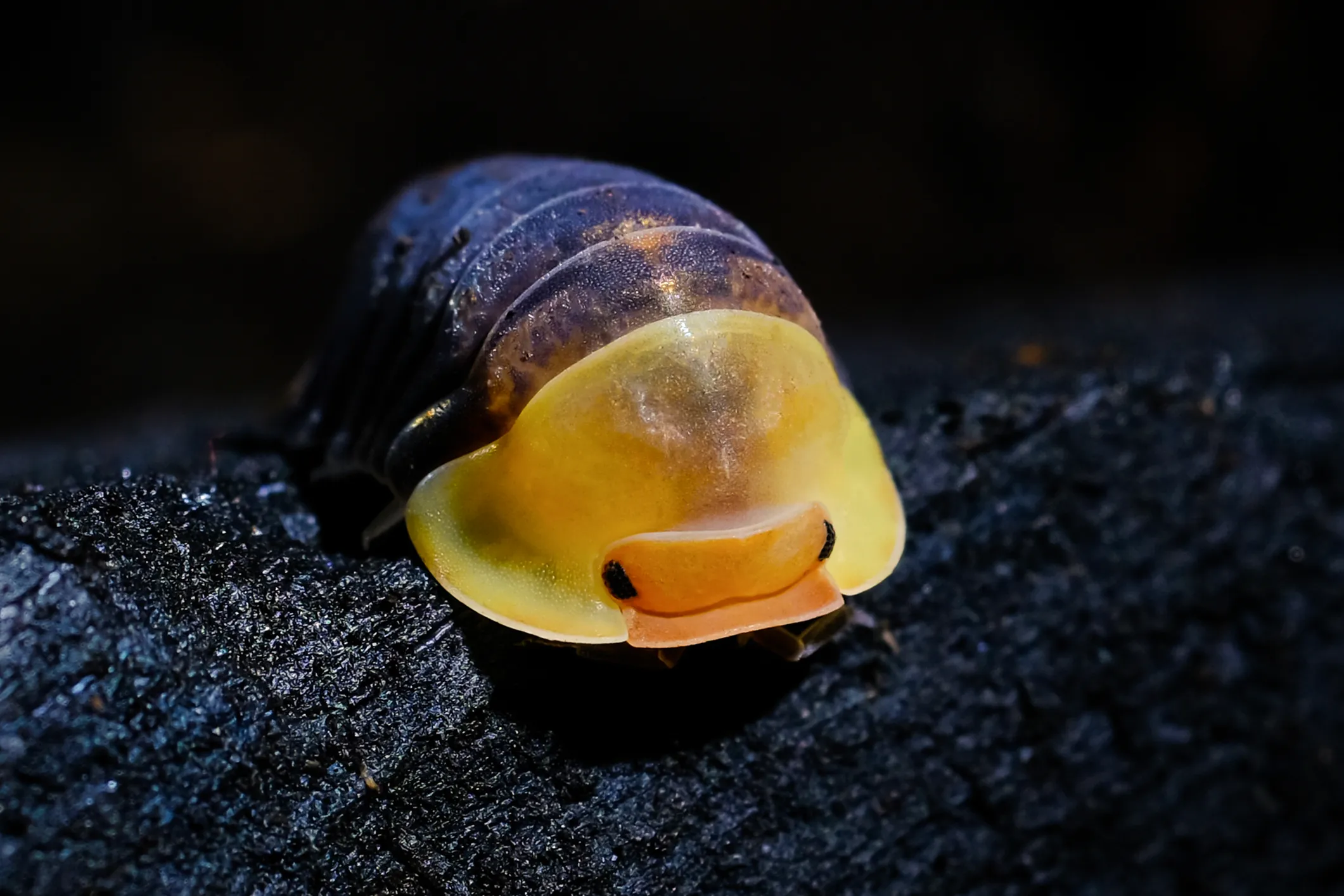
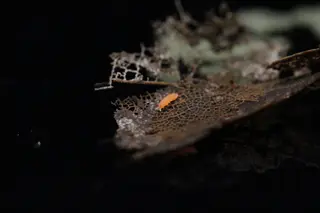


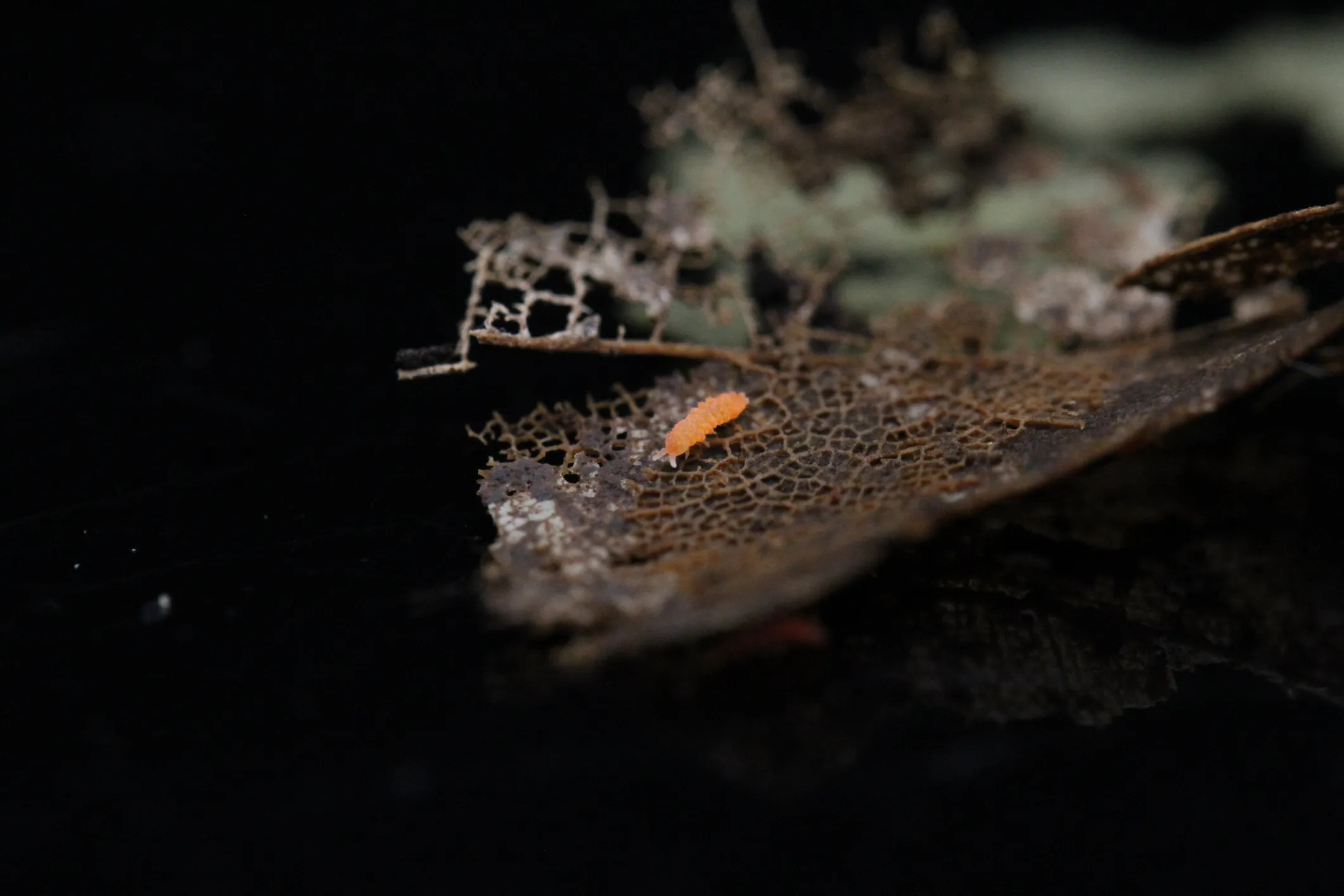
A working cleanup crew you can actually see. Orange springtails do the same job as the Tropical Whites, grazing mould and decaying matter in a bioactive enclosure, but their bright orange colour makes them easy to spot against dark substrate, which is why a lot of keepers prefer them for display vivariums.
They’re a working animal first, same as any springtail: you buy them to keep a vivarium from fuzzing over with mould.
What You’re Buying
A live producing culture: a vented cup of moist media with an established population, plus a food source. Nobody counts springtails, and any seller quoting an exact number is estimating.
From that one culture you can seed an enclosure and split off new cultures indefinitely. The springtail culture care guide covers both.
What They Do
In a bioactive setup they graze mould before it establishes, break down waste and shed skin, and keep the substrate turning over. They’re fast breeders and hardy, a good default cleanup crew, with the bonus that you can see them working.
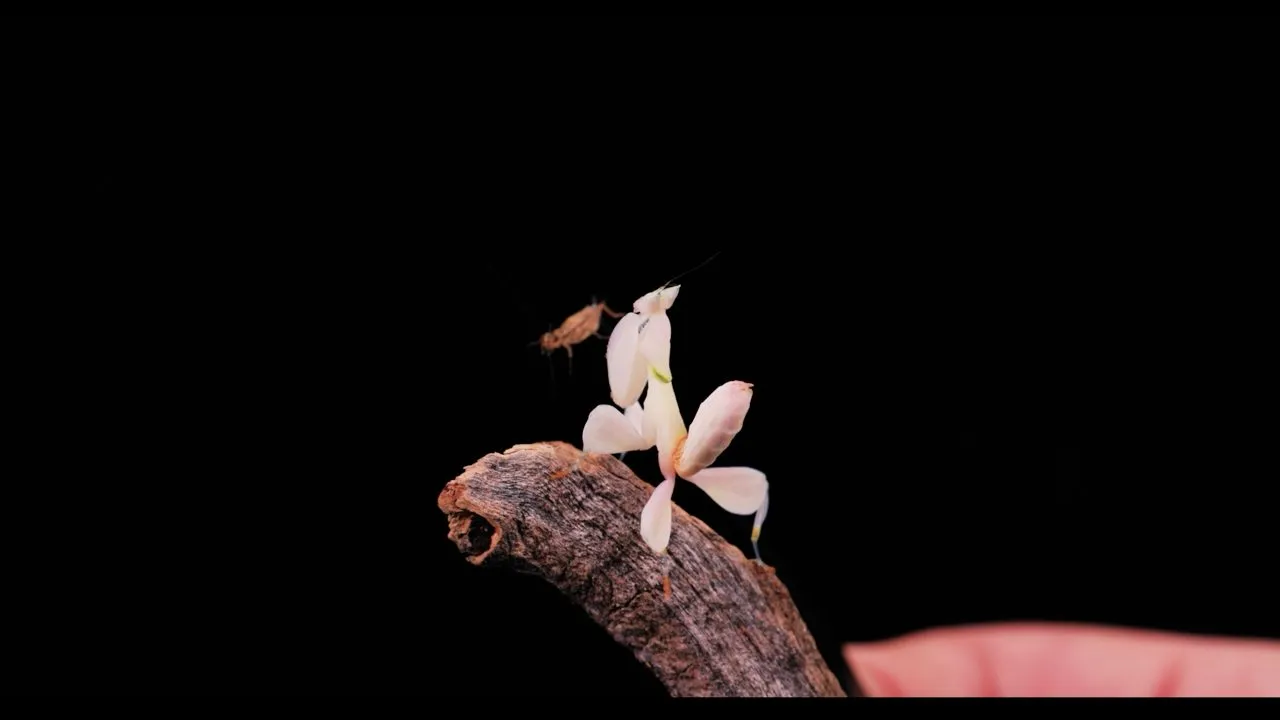
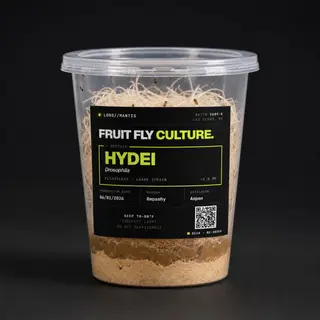
They are not feeders. Springtails are too small to interest even a freshly hatched mantis nymph. For feeding, buy fruit flies. For cleanup, buy these.
Keeping the Culture Going
Room temperature, out of direct sun, and never allowed to dry out: a culture that dries completely is gone. Condensation on the lid is normal.
Feed sparingly. You’re really feeding a small amount of mould for the springtails to graze, and over-feeding is the most common way to kill a culture. A few grains of yeast or a handful of uncooked rice is enough.
Split every couple of months and you’ll never need to buy another. Full method in the culture care guide.
A note on the name
Orange springtails have a messy naming history: they’ve been sold for years as Bilobella braunerae, Bilobella sp. and Protanura sp. Microscope work by collembologists has since pinned the animal in hobby culture down to Yuukianura aphoruroides (family Neanuridae), which is how we list it. It’s a chunkier springtail than the white cultures, about 2–3 mm, and impossible to miss against dark substrate.
Orange vs Tropical White vs Thai Red
Whites and Oranges are the cleanup picks; Thai Red is a slower display culture that still helps.
- Tropical White, the workhorse: fastest, hardiest, cheapest.
- Orange: same job as the whites, at the same pace, easier to see.
- Thai Red, a slower, temperature-sensitive display culture.
If you just want a vivarium cleaned, pick White or Orange on looks.
What to Order Next
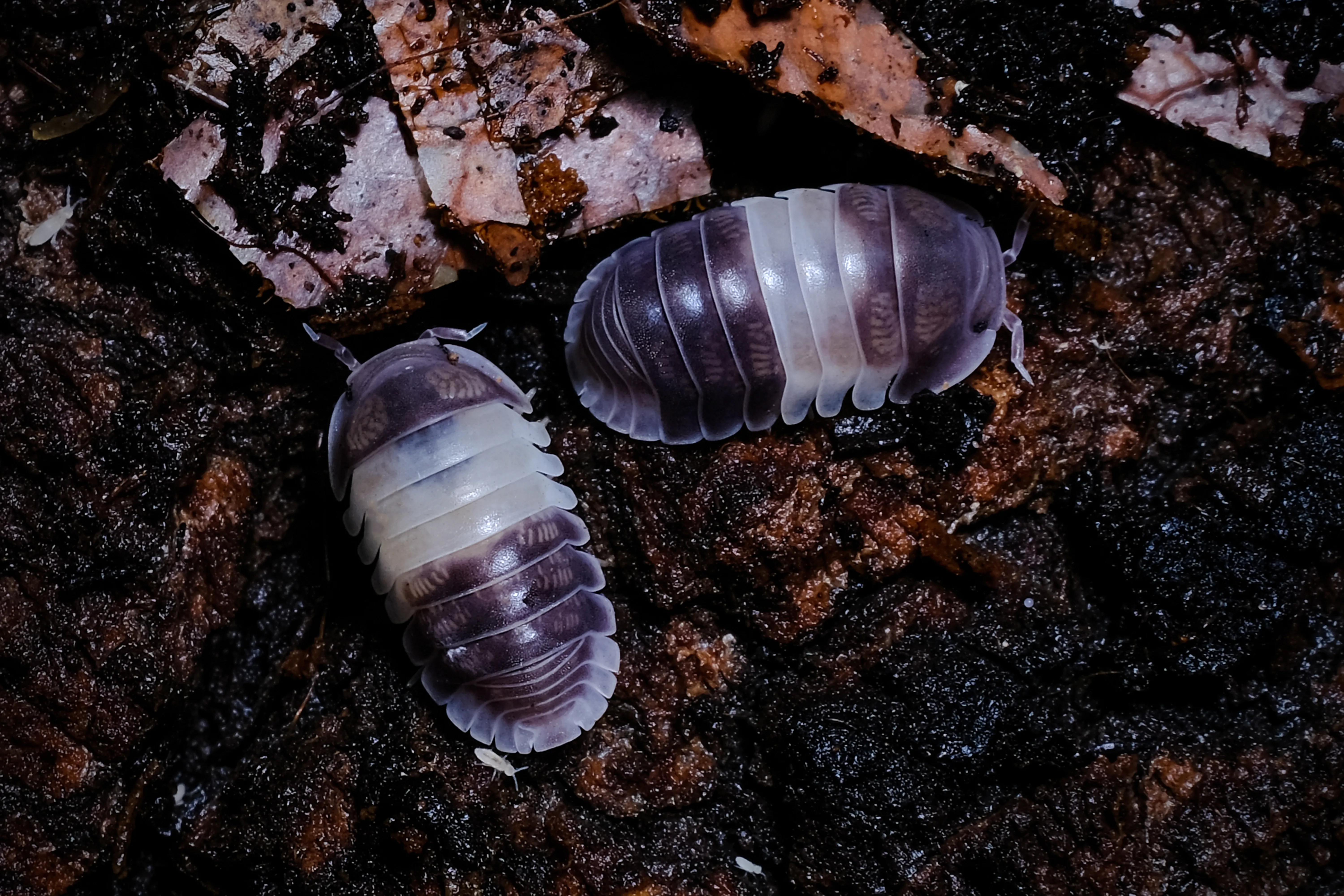
Springtails are half of a bioactive cleanup crew. Isopods are the other half: they handle the bulk waste springtails don’t. Both ship free with a mantis order.
Frequently Asked Questions
Can I feed orange springtails to my praying mantis?
No. They’re too small to interest even an L1 nymph. They belong in the enclosure as cleanup. Use fruit flies for feeding.
Do springtails bite?
No. They have no mouthparts that can affect a person, they aren’t parasites, and they carry no disease.
Will they escape into my house?
No. They need constant moisture and won’t establish in a dry home. Escapees die out rather than colonise.
How many cultures do I need?
One culture seeds a small enclosure; larger builds want two to four. See the sizing table in the care guide.