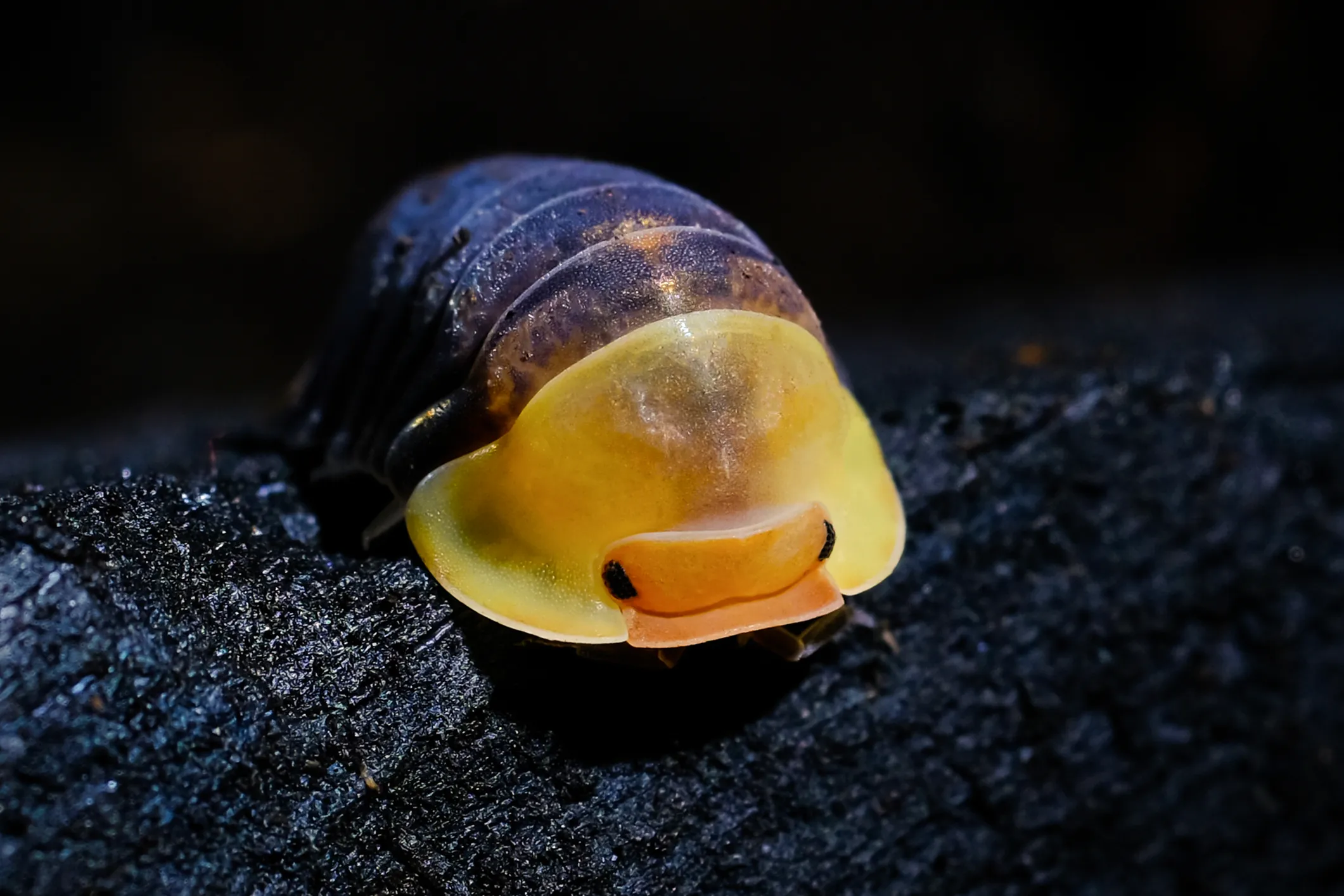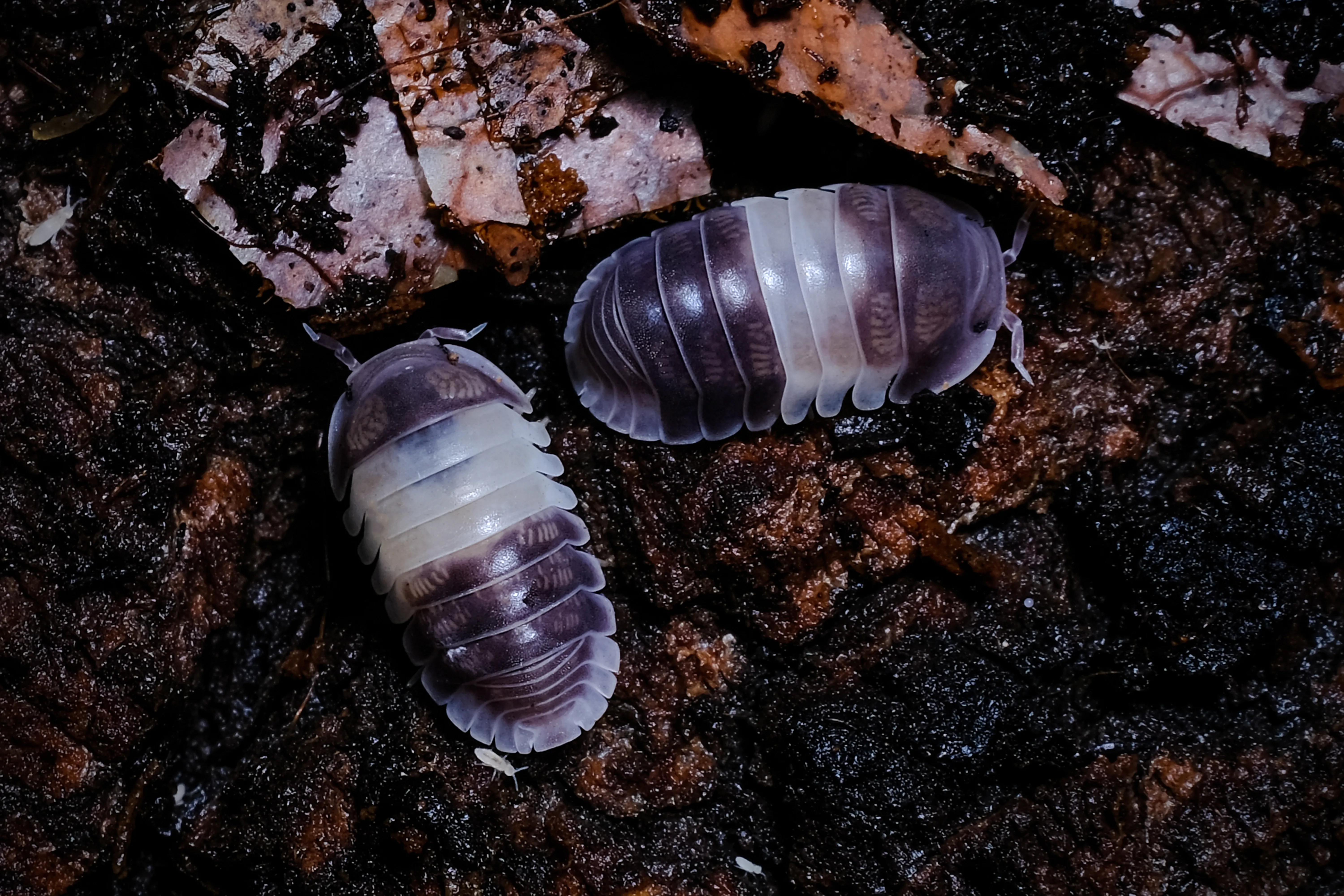
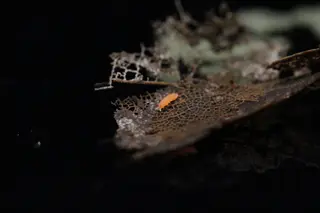



This is a collector’s springtail, not a cleanup crew. Worth being clear about that before anything else. Rambutanura sp. is a rare, deep-red springtail covered in real spines (the genus is named for the rambutan fruit it resembles). It doesn’t jump, it’s slow to establish, and it eats differently from a normal culture. You keep it because it’s strange and beautiful, not because it does a job.
Two honest notes up front:
- This is not our Thai Red Springtail. That one is a Lobella sp., a slower display culture that still eats like a normal springtail. This “Red Thai Spiky” is a completely different animal (Rambutanura sp.): spinier, rarer, harder, and a specialist feeder. Don’t confuse the two.
- The genus is real; the species is undescribed. We list it honestly as Rambutanura sp. rather than inventing a species name.
What You’re Buying
A live culture: a starter population, not a headcount of individuals. Springtails are sold as a culture because the culture is the unit that establishes and reproduces.
This is an advanced springtail. It’s slow, it’s specific about its food, and it’s genuinely uncommon in the US. It suits an experienced keeper who wants a display culture or a conversation piece, not a beginner looking for vivarium cleanup.
Keeping Them
- Very high humidity (85–95%): this is a wet-loving tropical species; keep the medium consistently damp, not merely humid, but never flooded.
- A specialist diet: unlike ordinary springtails, Rambutanura graze on slime mold rather than general mold and detritus. They will not reliably clear the film mold in a vivarium the way a workhorse culture does.
- Stability: a stable, warm, undisturbed culture; they don’t bounce back from swings the way hardy species do.
- Charcoal or a substrate base with good moisture retention, as with any culture.
The universal culture mechanics are in the springtail culture guide. Just note the feeding difference above; this species does not eat like the workhorse types that guide is written around.
Red Thai Spiky vs the Others
If you want a springtail that actually cleans and controls mold, this is not it. Reach for Tropical White (the workhorse) or Orange. The Red Thai Spiky is a display/collector culture, in the same specialist tier as the Vietnam Spiky. New to all this? Start with the bioactive terrarium guide.
Frequently Asked Questions
Is this the same as your Thai Red Springtails?
No. Our standard Thai Red is a Lobella sp., a slower display culture that still eats like a normal springtail. This “Red Thai Spiky” is Rambutanura sp.: spinier, rarer, non-jumping, and a specialist feeder. Different animal entirely.
Will they clean my terrarium or eat mold?
Not reliably. They graze on slime mold, not the general film mold and waste that a workhorse culture handles. Keep them for the look; run Tropical White for cleanup.
Do they jump?
No. Unlike typical springtails, this species doesn’t have a working spring, so it crawls rather than jumps. That’s part of what makes it a good display animal.
Can I keep them with other springtails or isopods?
Keep the culture on its own. Mixing cultures lets a hardier species out-compete this slow specialist, and you lose the very animal you paid for.
How many do I get?
A starter culture sized to establish. Details show on the variant when these go on sale. Join the waitlist to hear first.