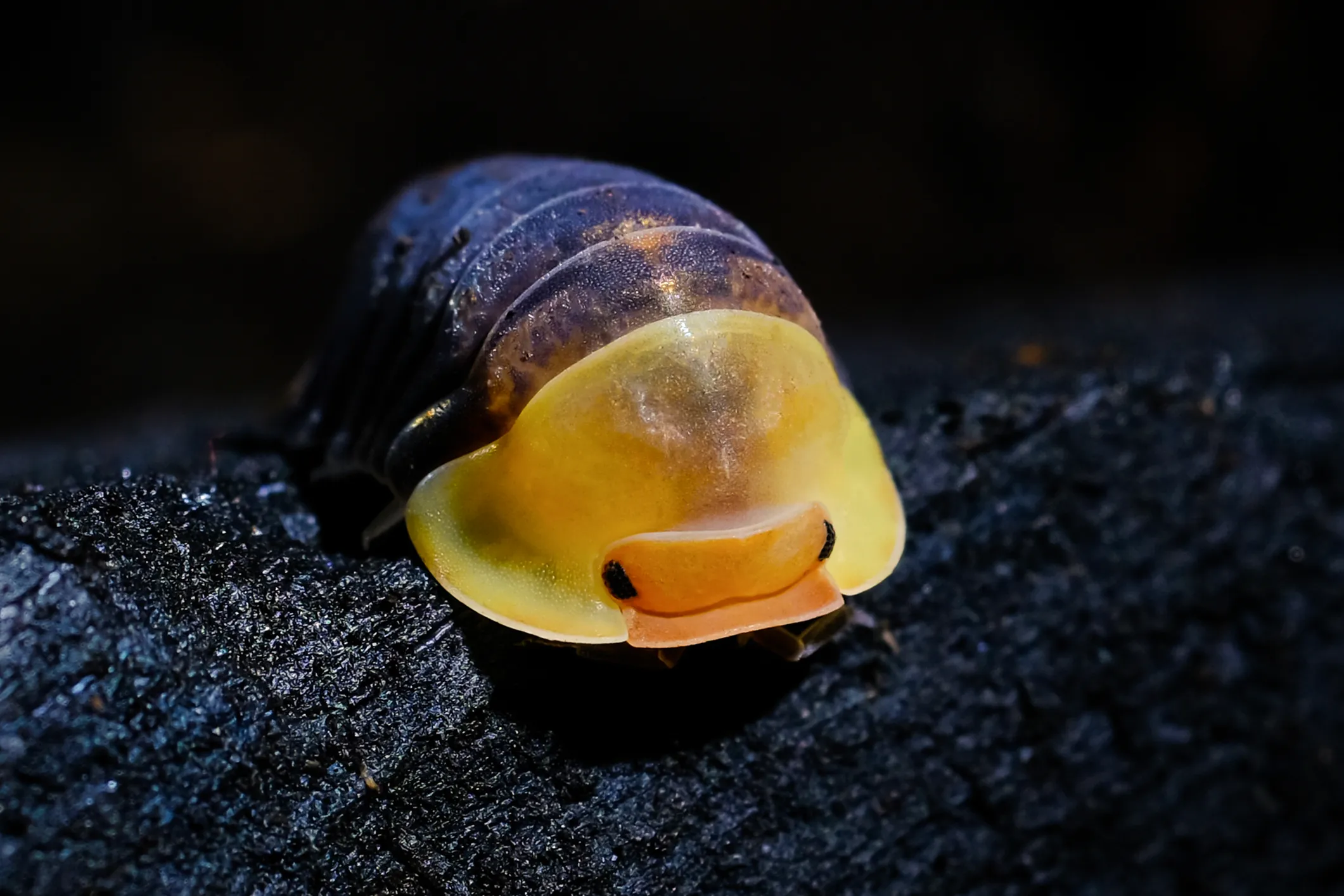
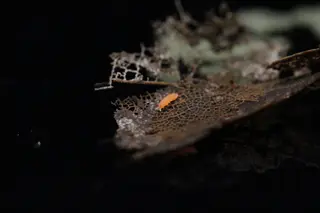



The texture is the point. Cristarmadillidium muricatum is covered in raised, spiny tubercles that give it a sculpted, almost armored look. It rolls into a ball like other pill isopods, but the spines make it one of the more striking display species we carry.
One thing to get right up front: this is not a tropical Cubaris. It comes from the limestone hills of the Mediterranean, and it wants a drier, better-ventilated setup than the swampy conditions those species like. Keep it wet like a Rubber Ducky and you’ll lose it.
What You’re Buying
A starter colony, not a single animal. Isopods are sold as a group because the colony is the unit that establishes and produces.
Spiky Pineapples are a slower breeder and a species that rewards patience. They’re best suited to a keeper who’s kept isopods before and won’t overreact to a colony that takes its time. Read the isopod care guide before yours arrives, and note the moisture difference below.
Keeping Them
The rule for this one is drier and airy, not wet:
- A moisture gradient on the dry side: keep one small corner lightly damp and let the rest breathe. Never uniformly wet.
- Real ventilation: a stuffy, saturated tub is the fastest way to fail with a Mediterranean species.
- A hard calcium source: cuttlebone or limestone chips. This is a calcium-loving, rock-country animal and it uses it.
- Leaf litter and decaying hardwood as the diet base, with a small weekly protein.
Everything else in the isopod care guide applies. Just err drier than the tropical species there.
Spiky Pineapple vs the Others
If you want the same rolling behavior in a hardy, forgiving, temperate package, Zebra is the easier pick. If you want a slow tropical Cubaris display colony, that’s Rubber Ducky, Panda King, or Cherry Blossom, but those want the opposite of this species: humid, not dry. For actual vivarium cleanup, run springtails. New to bioactive? Start with the terrarium guide.
Frequently Asked Questions
Do Spiky Pineapples need it humid like other isopods?
No, and this is the mistake to avoid. They’re a Mediterranean limestone species and want a drier, well-ventilated setup with just one damp corner. Tropical Cubaris care will kill them.
Can I keep them with other isopods?
Keep them on their own. Mixing two isopod species means one out-competes the other and you drift back to a single-species culture anyway, and you can’t harvest cleanly. One species per enclosure.
Do they climb?
Rarely. Unlike Cubaris, which will scale a damp or seamed wall, Spiky Pineapples stay low and roll up when disturbed, which also makes them low-risk around molting animals.
Are they good for beginners?
They’re an intermediate species, slow to build and specific about staying dry. If it’s your first isopod, Zebra is the gentler start.
How many do I get?
A starter colony sized to establish. Exact counts show on the variant when these go on sale. Join the waitlist to hear first.