

Blue bottle fly spikes are fly pupae: you hatch them into adult flies by leaving them at room temperature, and you pause that hatch by keeping them in the fridge. That’s the whole trick, and it’s really the entire answer to how to hatch blue bottle fly spikes: a warm room turns spikes into flies in a few days; a cold fridge holds them in suspended animation until you’re ready. Everything else is timing and a ventilated container.
I raise mantises and run feeder lines year-round in Las Vegas, and bottle flies are the workhorse feeder for anything past the fruit-fly stage: sub-adult and adult mantises, chameleons, and larger reptiles and amphibians. Here’s exactly how to hatch blue bottle fly spikes, how to store the ones you’re not using yet, and how to feed the flies out safely.
Short on time? See the reptile feeder lineup with live stock →
What blue bottle fly spikes actually are
“Spikes” is the feeder-world name for the pupal stage of the blue bottle fly (the big, metallic-blue flies you’ve seen on a windowsill). They ship as small, hard, reddish-brown capsules that look like grains of rice or tiny seeds. They are not maggots, and they are not yet flies. They’re the in-between stage, sealed up and transforming.
That’s what makes them so convenient: pupae don’t eat, don’t move much, and don’t need care. They’re a feeder you can store and hatch on your own schedule instead of racing a live culture. When they’re ready, adult flies chew their way out and you’ve got a controlled batch of correctly sized flying prey.
Blue bottles are the bigger of the two bottle flies I sell. Green bottle spikes hatch into a slightly smaller fly, better for that first jump up from fruit flies. Here’s how they compare:
| Blue bottle | Green bottle | |
|---|---|---|
| Adult fly size | Larger, meatier (12–15 mm) | A touch smaller (8–10 mm) |
| Best for | Adult mantises, chameleons, larger reptiles/amphibians | Sub-adult mantises, smaller reptiles, the fruit-fly step-up |
| Hatch behavior | Identical, same method for both | Identical, same method for both |
| Buy | /shop/blue-bottle-spikes | /shop/green-bottle-spikes |
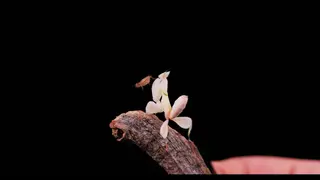
Everything below applies to both. If you keep a flying-prey specialist like a Spiny Flower or Orchid mantis, or a chameleon that ignores anything that isn’t airborne, bottle flies are exactly what you want.
How to store spikes in the fridge (pause the hatch)
If your spikes arrive before you need flies, or you got more than one animal can eat in a week, put them in the refrigerator. Cold slows a pupa’s metabolism almost to a stop, which delays emergence and stretches your batch out over time.
- Use the main fridge, around 40°F. The crisper drawer is ideal. Cold slows them; it doesn’t need to be freezing.
- Keep them ventilated. Leave them in the vented tub they shipped in, or a deli cup with a few pinholes. Sealing them airtight invites moisture and mold.
- Expect roughly a week, sometimes closer to two. Viability drops the longer they sit cold, so use them while they’re fresh rather than banking a batch for a month.
- Never freeze them. The freezer kills pupae outright. If your goal is live flies, keep them above freezing.
Pull out what you want to hatch, and put the rest right back in the cold. That stagger is how you turn one order into several weeks of feeders.
How to hatch blue bottle fly spikes: step by step
Warmth is the whole signal. Take the spikes out of the fridge and the countdown starts.
- Move them into a ventilated container. A deli cup or jar with pinholes or a mesh lid is perfect. You want airflow: flies emerge, and they need to breathe. A sealed jar suffocates them.
- Put them somewhere warm, 70–80°F. A shelf or closet at room temperature is fine. Warmer runs faster, cooler runs slower; below about 65°F they stall.
- Don’t add food, water, or media. Pupae don’t eat. A damp paper towel is unnecessary and just risks mold. Dry and ventilated is what they want.
- Wait a few days. At room temperature they usually hatch anywhere from about 2 to 7 days, depending on warmth and how far along they were when they left me. You’ll see the empty pupal cases first, then the flies.
- Keep the lid on once they emerge. This matters. Read the next section before you open anything.
That’s it. No skill required, no culture to keep alive. Warmth in, flies out.
Feeding the flies out (and the one thing to watch)
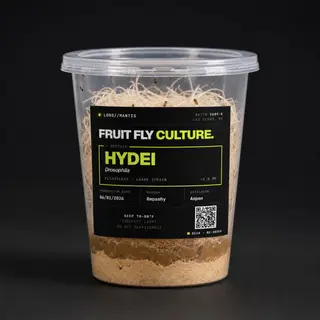
Here’s the honest difference from fruit flies: bottle flies can fly. The flightless hydei and melanogaster cultures most keepers start on stay put in the enclosure. Bottle flies do not. Open a cup of fresh ones in your living room and you’ll be chasing them. So handle them deliberately:
- Chill before you feed. Pop the cup back in the fridge for 5–10 minutes right before feeding. The flies go sluggish, which makes them easy to tip into an enclosure and easy for your animal to catch. They warm up and get lively again within a minute.
- Offer a few at a time. For a big mantis or a chameleon, a couple of flies every few days is plenty. See the feeding guide for frequency by animal and size.
- Keep the adults hydrated. A dab of honey or sugar water on a cotton ball inside the fly container keeps them alive and active for the week or two they last. Hungry, dried-out flies are weak prey.
- Reptile and chameleon keepers, dust if your species needs it. Bottle flies don’t gut-load the way crickets do, so if your animal relies on supplementation, drop the flies into a cup with a light pinch of supplement powder, swirl gently, and offer. Follow your own species’ supplement schedule; I keep insects, not reptiles, so I won’t pretend to write your dusting routine.
Safety and common mistakes
- Hatch only what you’ll use in a few days. The fridge is your pause button. Lean on it instead of hatching a whole batch at once and losing half to your ceiling.
- Ventilate, never seal. Airtight containers kill pupae and mold your spikes. Pinholes or mesh, always.
- Toss anything that smells foul or grows fuzzy mold. Healthy spikes are near-odorless. A rotten smell means that batch is done.
- Wash your hands and keep them out of the kitchen. These are clean cultured feeders, but they’re still flies. Basic hygiene, same as any feeder insect.
- Skip wild-caught flies. Catching flies off a windowsill sounds free, but wild insects carry pesticides and parasites that can kill your animal. I break down why a cultured feeder supply is worth it in the feeder insects guide.
Ready to stock up on flying feeders? Grab blue bottle spikes for adult mantises, chameleons, and larger reptiles, or green bottle spikes for the step up from fruit flies. Store them cold, warm them up when you need flies, and you’ve always got the right-sized prey on hand.
Frequently Asked Questions
How long do blue bottle fly spikes take to hatch?
At room temperature (70–80°F), usually about 2 to 7 days. Warmer is faster, cooler is slower. Below roughly 65°F they stall, and in the fridge they pause almost entirely.
Can I keep bottle fly spikes in the fridge, and for how long?
Yes, that’s the point of the pupal stage. A regular fridge (around 40°F) pauses their development so you can hatch them in batches. Plan on about a week, sometimes closer to two, with viability dropping the longer they sit. Never freeze them; the freezer kills them.
Do the spikes or flies need food?
The pupae (spikes) don’t eat at all. Just keep them warm and ventilated to hatch. The emerged adult flies benefit from a little honey or sugar water to stay hydrated and active, but they don’t require it to survive the short time before you feed them out.
Are blue or green bottle flies bigger?
Blue bottles hatch into the larger fly, good for adult mantises, chameleons, and bigger reptiles. Green bottles are a touch smaller and make a great step up from fruit flies. Both hatch and store exactly the same way.
Will the flies escape into my house?
They can. Unlike flightless fruit flies, bottle flies fly. Keep them in a ventilated but closed container, hatch only what you’ll use, and chill them for a few minutes before feeding so they’re too sluggish to bolt.