Skip to content
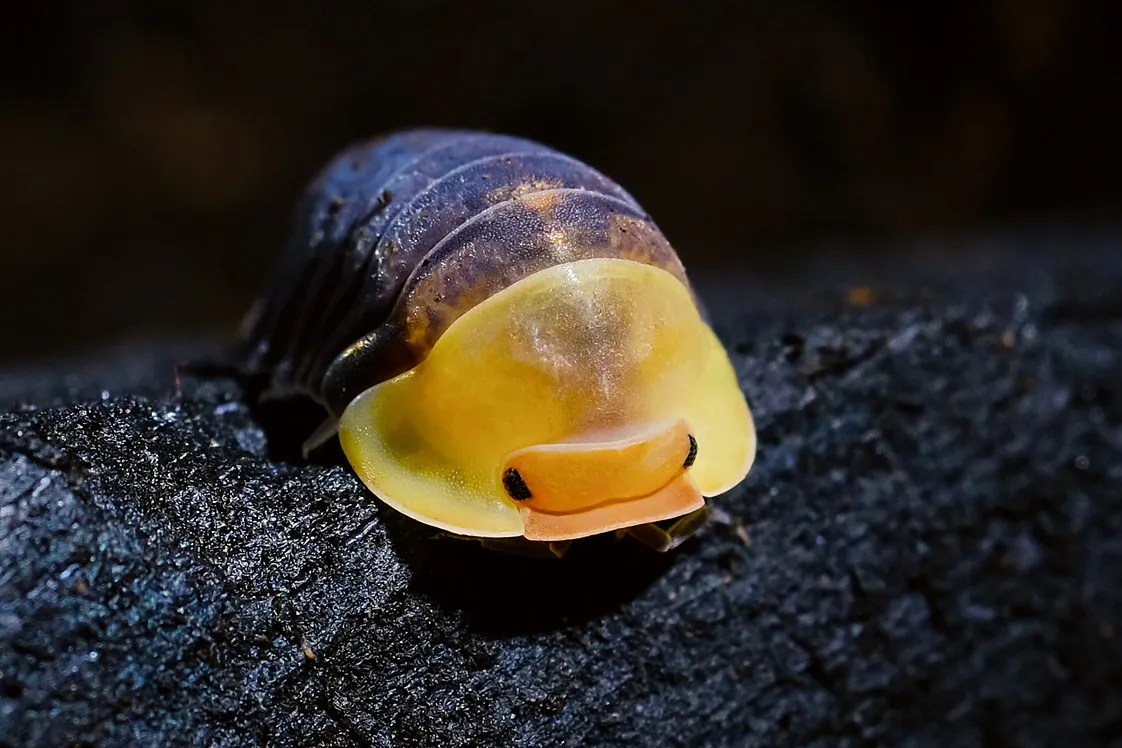
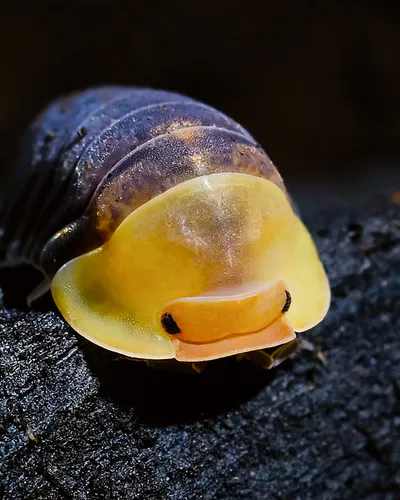
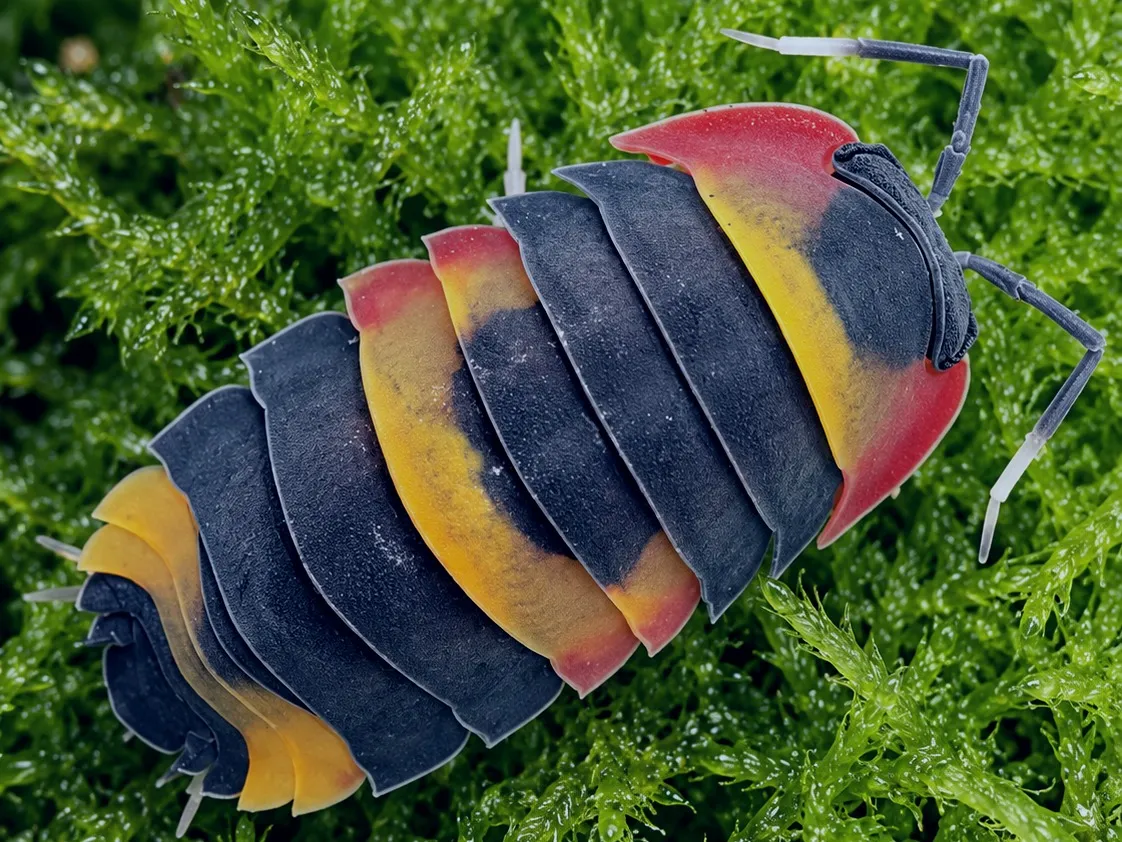
A Tricolor isopod (Ardentiella sp. "Tricolor") on green moss, its black body banded in yellow and edged in red.
ARDENTIELLA SP. "TRICOLOR" FIG. 01 / 01
SOLD OUT
Intermediate care

Tricolor Isopods

Ardentiella sp. "Tricolor"

Price coming soon

Black, yellow and red on one animal, and out in daylight. A display Ardentiella for keepers who want all three colors in one jar.

COUNT
READ CARE GUIDE ASK A QUESTION IN DISCORD
SHIPPING
Mon & Tues
✓
LIVE ARRIVAL GUARANTEE
Overnight shipments only
✓
STARTER COLONY
Bred here, mixed sizes
ALWAYS HERE TO HELP
Discord, email & social
01SPECIES PROFILE

Black, banded in yellow, and edged in red. Ardentiella sp. “Tricolor” carries all three colors on one animal, and like the rest of its genus it spends its day on the surface instead of buried.

A note on the name: you will also see these sold as Merulanella sp. “Tricolor”, or spelled Tri-Color and Tri-Colour. The genus was split in 2025 and the Southeast Asian animals moved to Ardentiella. Same animal, newer name. The Ardentiella care guide explains the change.

What You’re Buying

A starter colony, not a single animal. The colony is what establishes and breeds.

Ardentiella are slow breeders: months to the first brood and a year or more to a colony you can split. How much red and yellow shows also varies between animals. The care guide has the full timeline.

Keeping Them

  • Cool room temperature, 66–79 °F. The cool end is the safe end. No heat mat.
  • Humidity about 60–80% as a gradient: one end damp, the other just moist.
  • Cross-ventilation: mesh on two opposite sides, so the damp side stays fresh.
  • A secure lid. They climb.
  • Leaf litter, rotting hardwood and a calcium source as the base of the diet.

Full detail is in the Ardentiella care guide.

Tricolor vs the Others

Tricolor sits with Ember Bee, Scarlet and Wing Wing, our other Ardentiella: same care, different color. Ember Bee is the more forgiving start. For vivarium cleanup, run springtails.

Frequently Asked Questions

Are Tricolor isopods hard to keep?

Not day to day. The care is specific, a humidity gradient with real cross-ventilation, and breeding is slow, so mistakes cost months rather than weeks.

Will I actually see them?

Usually, yes. Once settled, Ardentiella come out in daylight. If an established colony is never on the surface, check ventilation first.

Can I keep them with other isopods?

Keep them on their own. One species per enclosure.

How many do I get?

Pick a pack size on this page. Each is a group of mixed sizes, enough to establish.
SHIPPING POLICY ↗
Tricolor Isopods at a glance.
INTERMEDIATE CARE · DISPLAY COLONY
ANIMAL
SPECIESArdentiella sp. "Tricolor"
ALSO SOLD ASMerulanella sp. "Tricolor"Genus split in 2025. Same animal, newer name.
ORIGINVietnam
ACTIVITYOut in daylightGrazes and climbs on the surface instead of burrowing.
KEEP IT
TEMP66–79 °F
50°FCool end is the safe end95°F
HUMIDITY60–80 %
0%As a gradient, damp to just moist100%
DIETLeaf litter, decaying hardwood, vegetable scraps, calcium
SETUPCross-ventilation, secure lidNo heat mat. One species per enclosure.
COLONY
SOLD ASStarter colony, mixed sizes
COUNTS10 · 25 · 50
FIRST BROODMonths, not weeks
READY TO SPLITA year or moreSlow, deliberate breeders. Color varies between animals.
Set it up once. After that, it's a weekly habit.
TEMP 66–79 °FHUMIDITY 60–80 %HEAT MAT NONE
SET UP ONCEBEFORE THEY ARRIVE
01 A vented tub with cross-ventilation Mesh on two opposite sides. Damp air that never moves is what kills this genus.
02 A moisture gradient over a few inches of substrate One end damp, the other just moist. Drier than most Cubaris setups.
03 Leaf litter and rotting hardwood The base of the diet, and most of what they actually eat.
04 A calcium source A piece of cuttlebone or crushed eggshell left in the tub. They need it to build their shell.
05 A secure lid They climb, and young ones can walk up plastic.
KEEP DOINGTHE ROUTINE
WEEKLY Feed, then clear Small vegetable scraps and a pinch of protein. Remove anything uneaten within a day.
WEEKLY Check the damp end Check moisture at the bottom of the substrate, not the surface. Keep the damp side damp.
MONTHLY Top up litter and wood Add leaf litter and hardwood as they eat through it, and replace the calcium when it's gone.
WHEN DENSE Split Once the culture is dense, split it into a second tub. One purchase, indefinitely.
AVOID A heat mat Heat stresses this genus faster than cool ever will.
AVOID Letting it dry out Drying out kills more isopods than anything else.
AVOID Stale, fouled substrate Damp air that never moves. Ventilate.
AVOID Mixing species One species per enclosure, so you know which colony is producing.
ARDENTIELLA ISOPOD CAREThe full guide: setup, feeding and more. READ THE GUIDE →
Adult in roughly six to eight months, then a year or more as an adult.

Direct development, with no larva or pupa stage. Females brood their eggs in a pouch (the marsupium) and release fully-formed miniature isopods (mancae). Temperate species like Zebra produce in a few months; Cubaris take longer. Expect months before a colony produces, and longer before it is large enough to split.

THE CYCLEONE ANIMAL · TO SCALE
STAGE 01Eggs 3–5 wk
STAGE 02Mancae 2–4 wk
STAGE 03Juvenile 4–6 mo
STAGE 04Adult 1 yr+
06 MO12 MO18 MO
YOUR COLONYWHAT YOU'LL SEE
ARRIVAL Mixed sizes, settling in A starter colony of mixed sizes. Once settled, Ardentiella come out in daylight.
MONTHS First brood Slow, deliberate breeders: months to the first mancae. An empty-looking tub in the first weeks is normal.
A YEAR OR MORE Ready to split Dense enough for a second tub. From here, one purchase, indefinitely.
Isopods leave Las Vegas every Monday and Tuesday.

Express only. Pick the speed at checkout; both leave on the next ship day.

NEXT SHIP DAY Monday, Nov 2
PRIORITY OVERNIGHT$60
ARRIVES Tuesday, Nov 3
LIVE ARRIVAL GUARANTEE Included

Recommended for isopods. Arrive dead and you file a claim within 24 hours of unboxing for a replacement or refund.

2-DAY$30
ARRIVES Wednesday, Nov 4
LIVE ARRIVAL GUARANTEE Not covered

A second night in the box, at your risk. No replacement or refund if they arrive dead.

NO GROUND OPTIONLAS VEGAS VALLEY · FREE PICKUP AT CHECKOUT
★CUSTOMER REVIEWS

No reviews yet for the Tricolor Isopods. The first one will come from a verified buyer.