

Isopods for sale.
Captive-bred colonies.
Bred in Las Vegas. Most are beginner-friendly, and every colony ships with a care card.
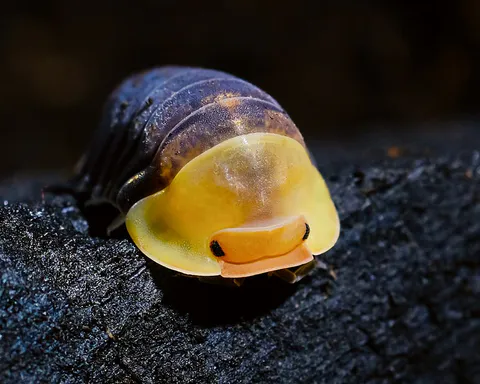
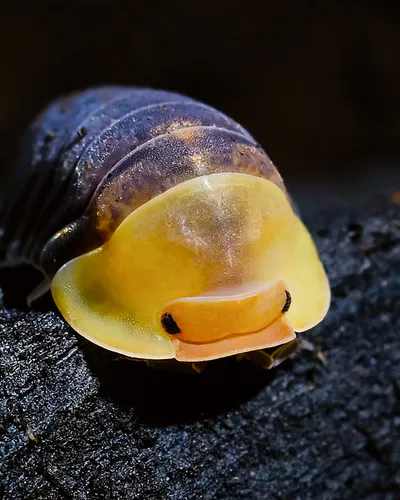
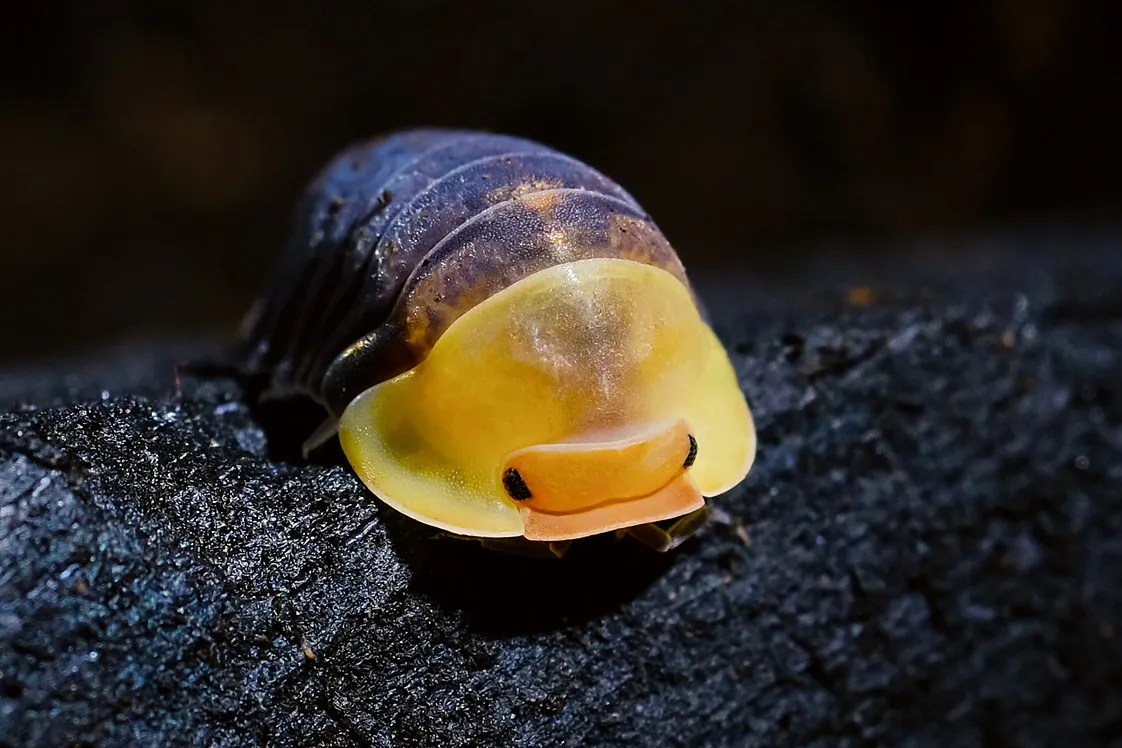
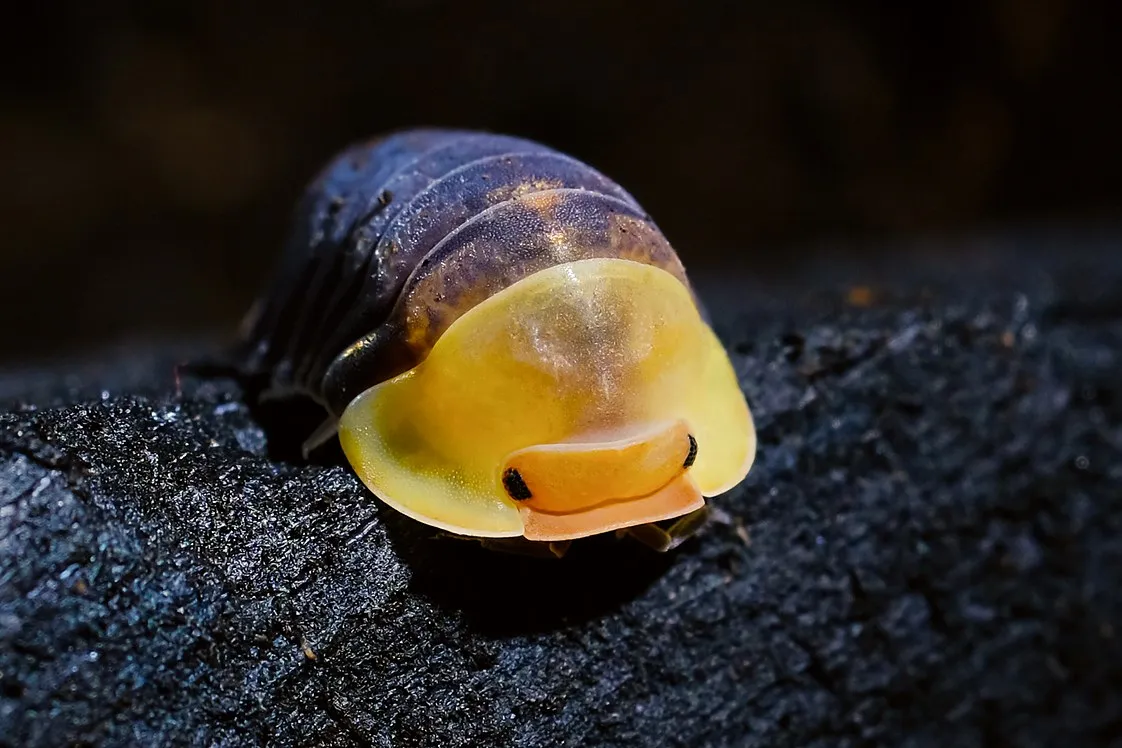 Rubber Ducky IsopodsCubaris sp. "Rubber Ducky"from $75
Which isopod should I get?
| Isopod | Look | Care level | Keep it | Breeds | Best for |
|---|---|---|---|---|---|
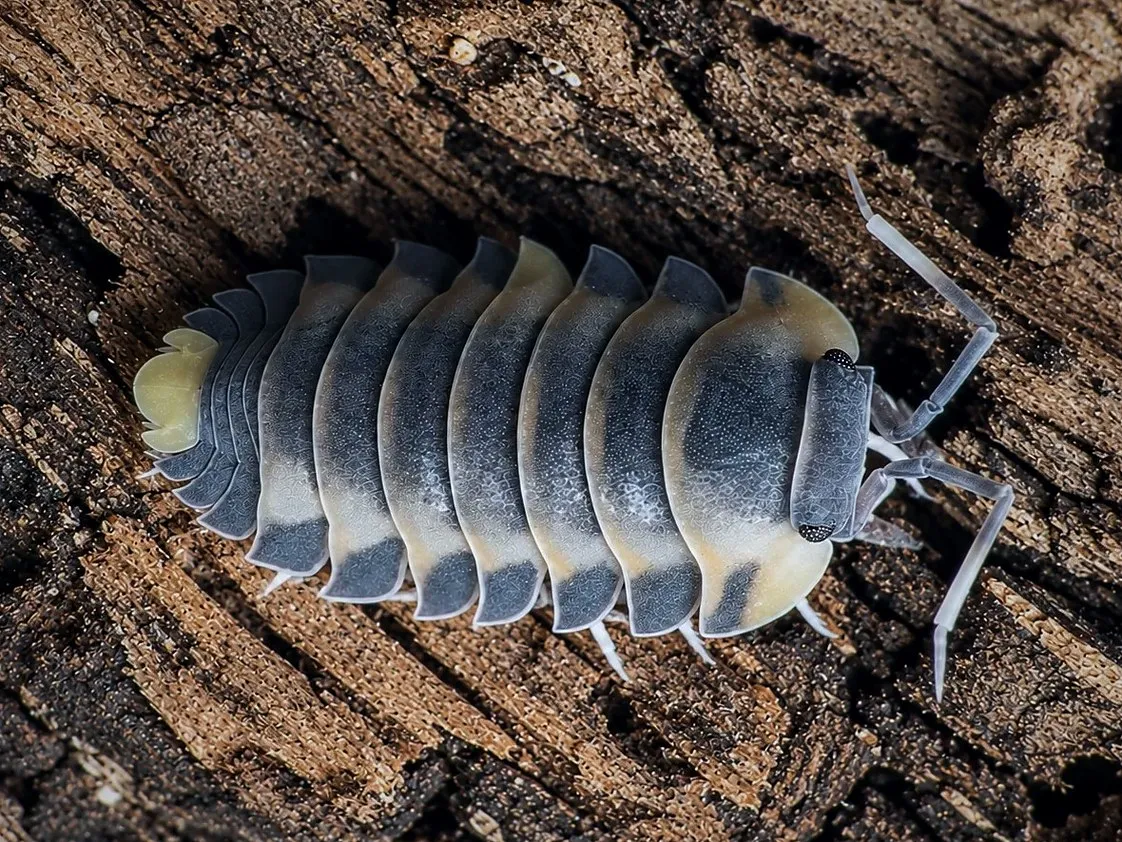
| Zebra Isopods | Black and white stripes | Beginner | Room temperature, 65–80°F | Moderately | A first colony that grows quickly |
| Rubber Ducky Isopods | Duck bill face markings | Beginner | Humid, 70–80°F | Slowly | The recognizable classic |
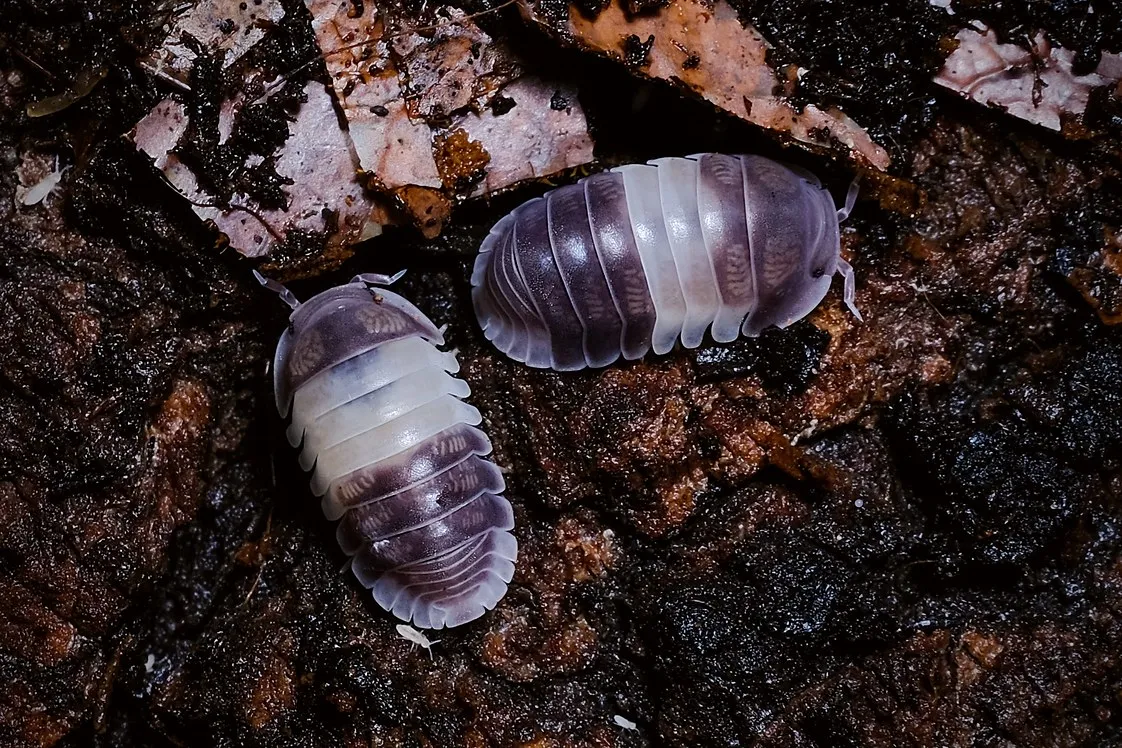
| Panda King Isopods | Black and white, high contrast | Beginner | Humid, 70–80°F | Slowly | Bold looks on pale substrate |
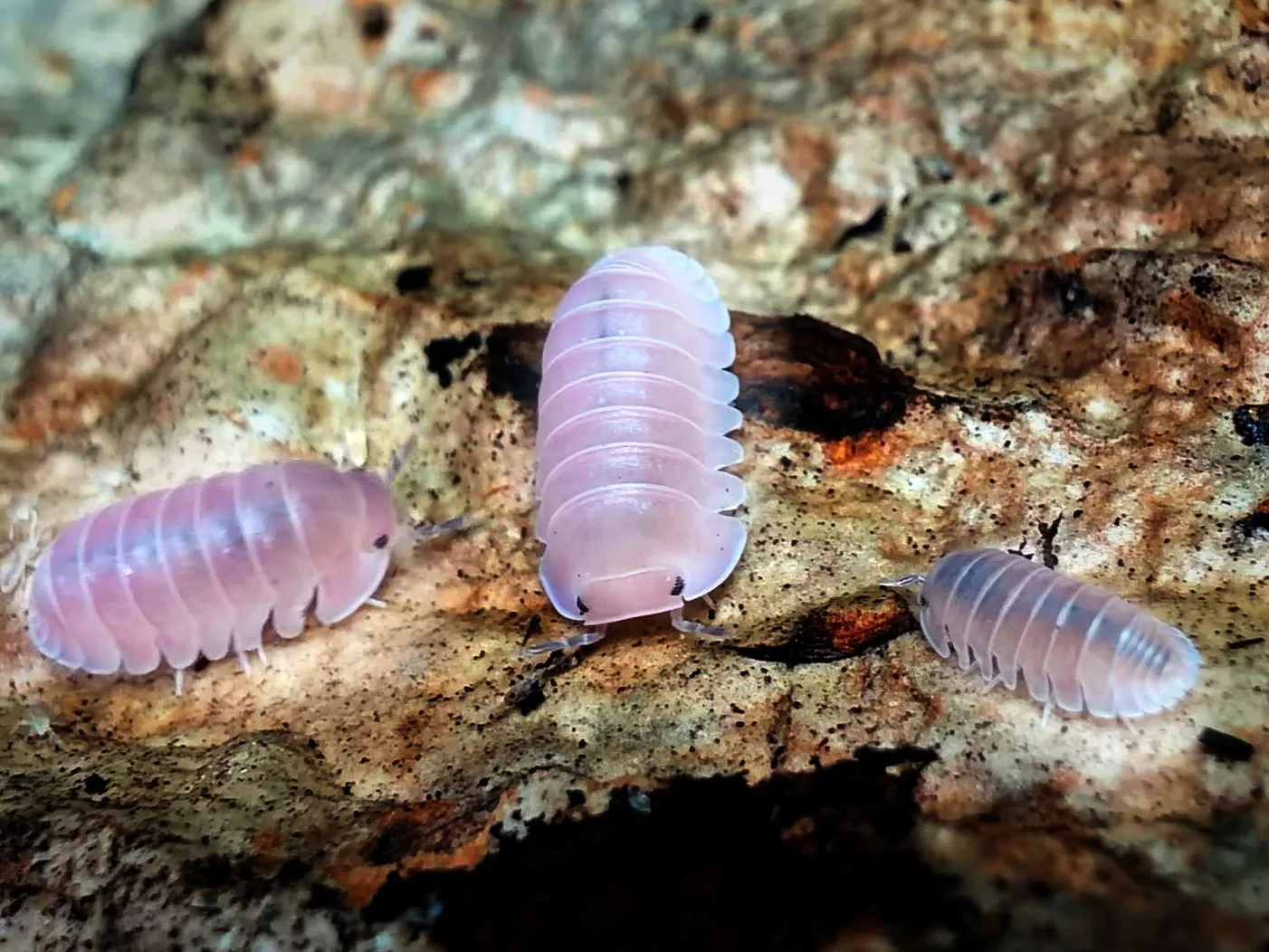
| Cherry Blossom Isopods | Soft pink and cream | Beginner | Humid, 70–80°F | Slowly | A pastel display colony |
| Bumble Bee Isopods | Black and yellow bands | Beginner | Humid, 72–80°F | Slowly | A standout display jar |
| White Ducky Isopods | Ghost white Ducky | Beginner | Very humid, 72–78°F | Slowly | A ghost-white display jar |
| Frosty Gator Isopods | Small, with a ridged shell | Intermediate | Humid, 70–80°F | Slowly | Texture you see up close |
| Spiky Pineapple Isopods | Spiny, sculpted roller | Beginner | Drier, 65–77°F | Slowly | A drier, low-humidity setup |
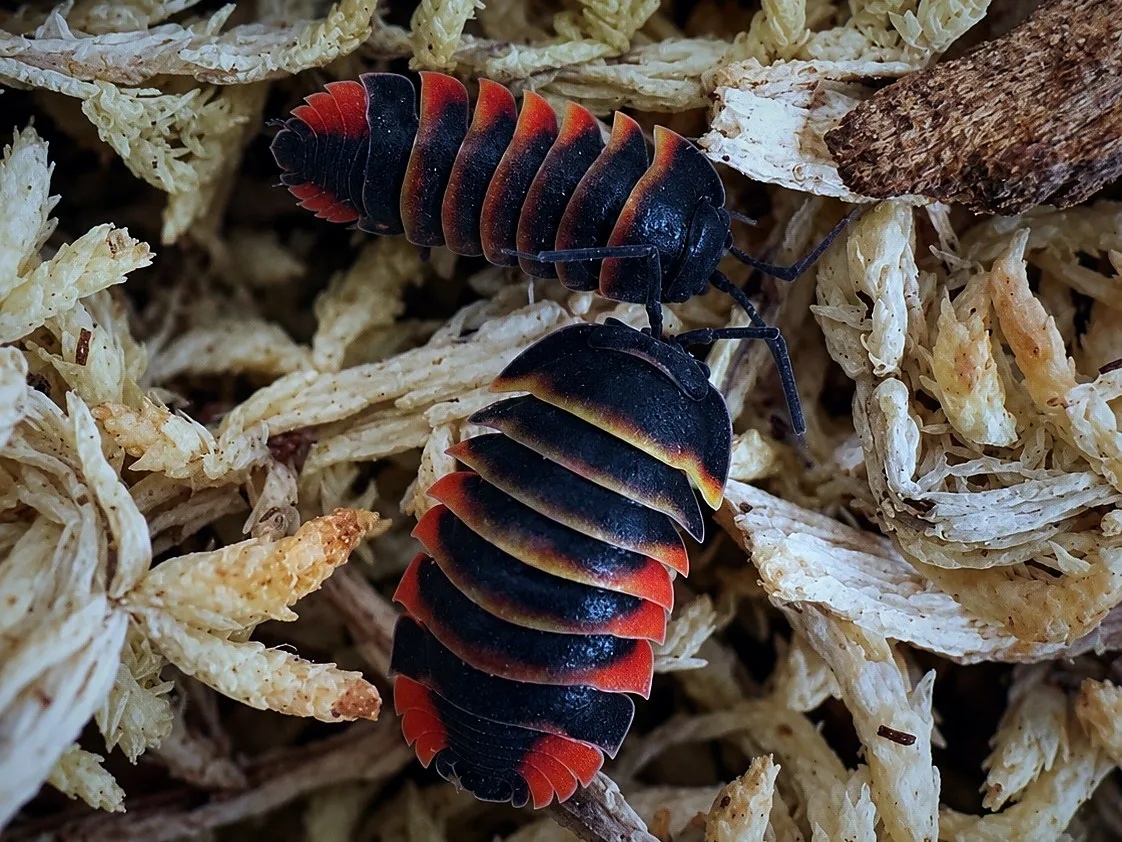
| Ember Bee Isopods | Black with fire orange bands | Intermediate | Cool, airy, 66–79°F | Slowly | An isopod you see in daylight |
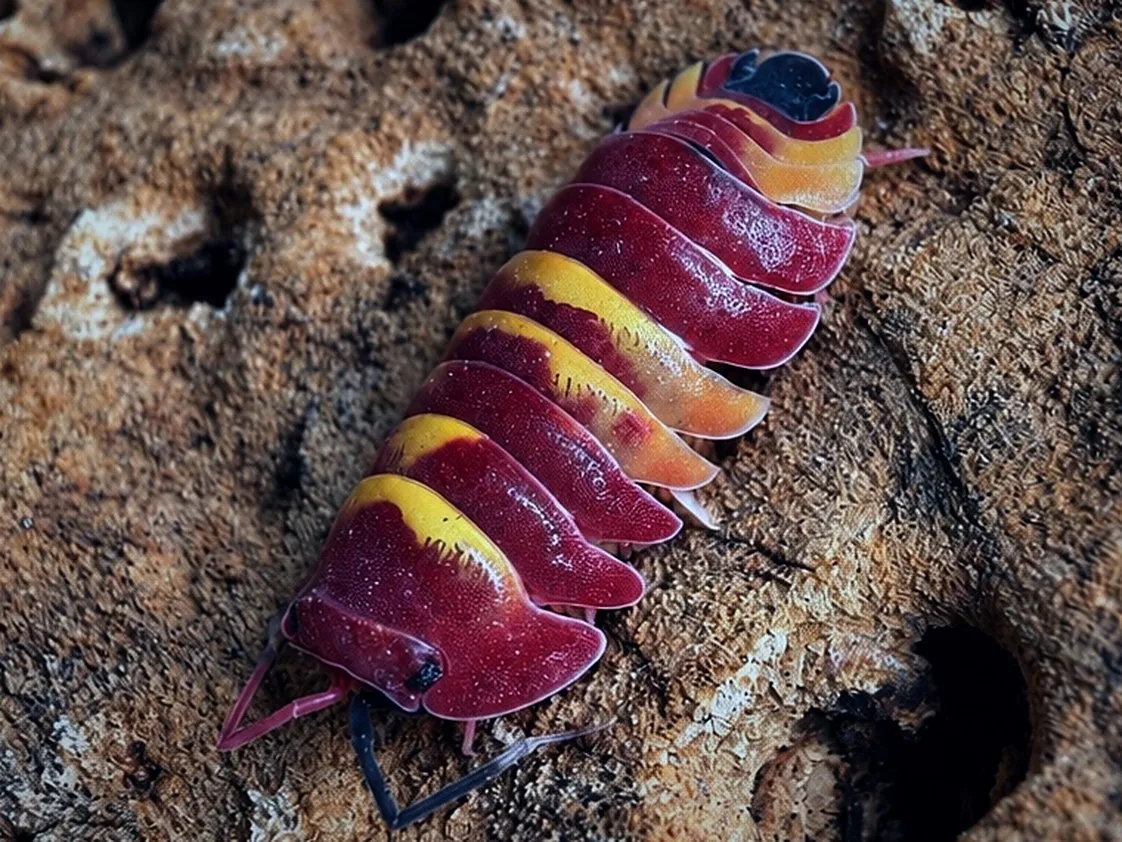
| Scarlet Isopods | Scarlet red with yellow bands | Intermediate | Cool, airy, 66–79°F | Slowly | The brightest jar on the shelf |
| Wing Wing Isopods | Slate grey, cream-orange edges | Intermediate | Cool, airy, 66–79°F | Slowly | A rare display line |
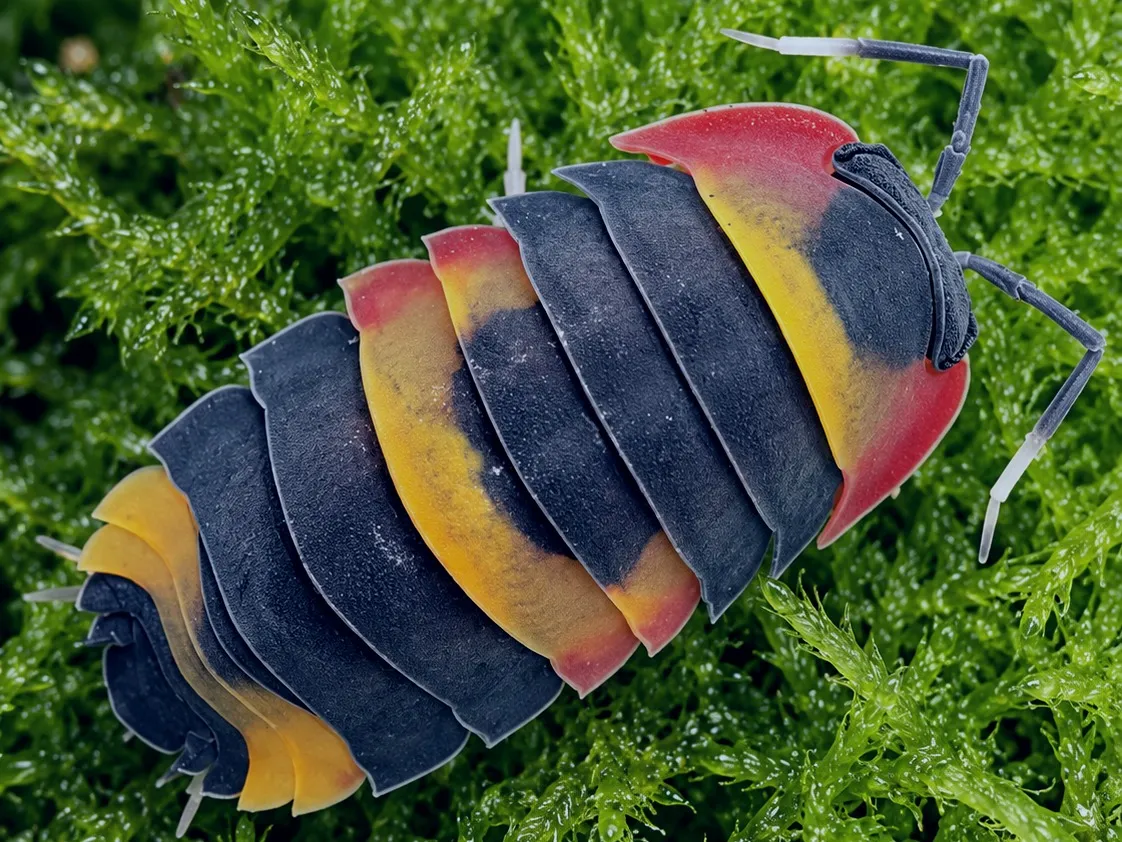
| Tricolor Isopods | Black with yellow and red bands | Intermediate | Cool, airy, 66–79°F | Slowly | Three colors on one animal |
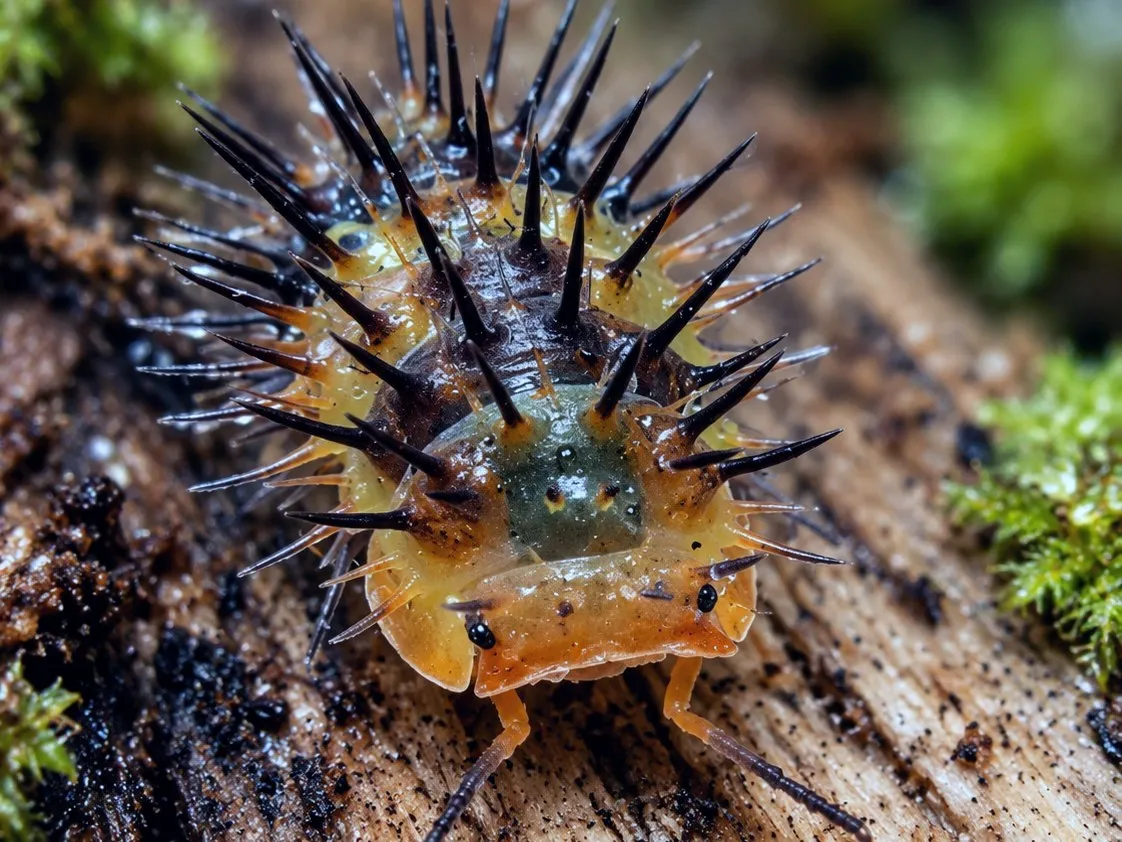
| Durian Isopods | Amber, with long black spines | Intermediate | Humid, airy, 72–80°F | Moderately | A spiny climber you can watch |
What you get
A starter colony, not a single animal. The colony is the unit that survives and breeds, so isopods are sold as a group of 10, 25 or 50.
Plan on waiting. Cubaris take 3 to 6 months to show their first babies (mancae) and 12 to 18 months to become a colony you can split. Zebra is quicker, with a visible colony in a few months.
Want a cleanup crew?
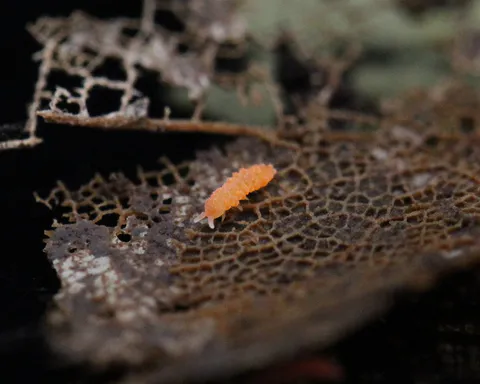
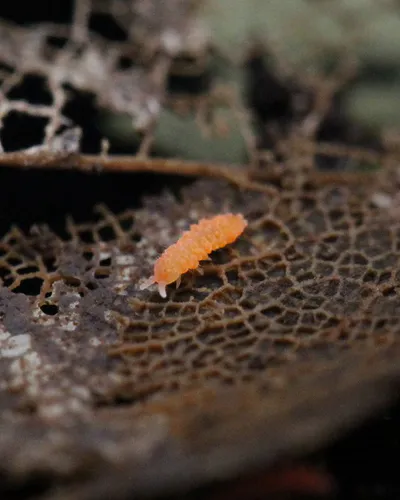
Our isopods are display colonies, kept for their looks rather than as working cleaners. For mold control in a bioactive tank, add springtails, which establish in weeks and share an enclosure with isopods without competing. Keep one isopod species per enclosure.
How isopods ship
The cutoff is 8 AM Pacific on each ship day, and orders placed after it roll to the next ship day. Overnight usually takes one business day. Added to a mantis order, isopods ship free, and Las Vegas valley addresses can choose free local pickup at checkout instead of shipping.
The Live Arrival Guarantee is included on every Priority Overnight order. If your isopods arrive dead, file your claim within 24 hours of unboxing at lobomantis.com/claim with a continuous unboxing video and we will send a replacement, or refund their price if we can't restock soon. 2-Day is never covered, and neither is a death after arrival. Checkout confirms whether your address can receive them.
Frequently asked questions
Are isopods hard to take care of?
Not hard: most species we carry are beginner-friendly. They need steady moisture, a calcium source and patience. Zebra breeds the fastest, tropical Cubaris want humid, stable conditions, and the three Ardentiella are the step up: cooler, airier bins.
Are 10 isopods enough to start a colony?
Yes. A 10 count is sized to establish and breed. For a bioactive tank, the care guide suggests 10 to 15 isopods up to 10 gallons, 15 to 25 for 20 gallons and 25 to 50 for 40 gallons. A bigger start gets there a few weeks sooner, not to a different place.
How do I keep my isopods alive?
Keep the damp side damp, check moisture at the bottom of the substrate, give them leaf litter and a calcium source, and keep the container ventilated. Isopods die from drying out and from stale, fouled substrate more than anything else.
How much do isopods cost?
It depends on the species and the count, with rarer isopods costing more. Each listing above shows its current price.